The collection of success stories mintonsharlem shows how a single club changed jazz. It lists musicians, performances, and moments that led to new sounds. The introduction outlines how the club fostered risk, rehearsal, and sudden breakthroughs. It sets the stage for profiles, lessons, and ways to connect with the club’s history.
Key Takeaways
- Minton’s Harlem was the birthplace of bebop, where late-night jam sessions fostered groundbreaking musical innovation and shaped modern jazz.
- The club’s open hours and supportive owner allowed musicians to experiment freely, creating an environment essential for artistic breakthroughs.
- Iconic musicians like Charlie Parker, Dizzy Gillespie, and Thelonious Monk developed their signature styles at Minton’s, influencing jazz’s evolution and standards.
- Minton’s success story teaches creatives and entrepreneurs the value of open practice, risk-taking, diverse collaboration, and supporting experimentation over immediate profit.
- Experiencing Minton’s legacy today involves visiting historic sites, listening to original recordings, attending tribute events, and participating in community jam sessions inspired by the club’s format.
How Minton’s Became The Crucible Of Bebop And Musical Innovation
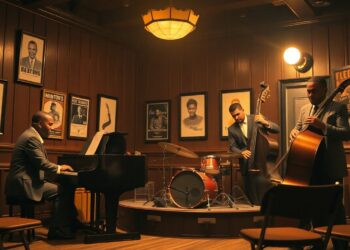
Minton’s Harlem hosted late-night jam sessions that seeded bebop. Musicians met, played, and tested new harmonic ideas. The house band provided a steady pulse that let players stretch rhythm and harmony. Saxophonists and trumpeters traded fast lines. Drummers and pianists matched those lines with new accents. Listeners heard chords shift away from dance band patterns. Critics later labeled those shifts as the start of modern jazz. Historians cite the club’s open hours and tolerant owner as key factors. The owner allowed extended jams and encouraged young players. That environment gave the city a place to try new phrases and techniques without commercial pressure. The scene produced recordings and live reports that spread the new style across the country. The story of Minton’s Harlem shows how place and policy can shape art.
Profiles In Breakthrough: Musicians Who Rose At Minton’s
Minton’s Harlem hosted players who later led the bebop movement. These musicians met rivals and allies at the club. They tested ideas late into the night. Each musician developed a distinct voice. Each musician carried that voice to recordings and tours. Their breakthroughs began as small experiments during jam sets. Producers and club owners heard those sets and booked the players for studio dates. Those studio dates turned local experiments into national trends. The legacy of those musicians rests in solos, compositions, and teaching.
– The Young Innovators And Their Signature Moments
Charlie Parker played fast, angular lines that shocked listeners. Dizzy Gillespie introduced wide intervals and playful phrasing. The pianist Thelonious Monk used odd accents and sparse voicings that pointed to new structures. Kenny Clarke altered drum time with lighter ride patterns and syncopated accents. Bud Powell condensed complex ideas into small, precise lines at high speed. Each player recorded key sessions after Minton’s nights. Those recordings captured the shift from swing to bebop. They inspired students at conservatories and club bands alike. The young innovators also wrote compositions that other bands copied. The copied tunes formed the standard repertoire for future jazz players.
Lessons From Minton’s: What Creatives And Entrepreneurs Can Learn
Minton’s Harlem offers clear lessons for creative teams and small businesses. It shows that open practice yields innovation. Leaders should create time and space for trial and error. Teams should invite varied skill sets to the same room. Cross-discipline play will reveal new combinations. Owners should resist pressure for immediate income when that pressure kills experimentation. Mentors should listen more and correct less during early trials. Communities should reward risk with attention and resources. The club also shows that loose rules can produce structure. Regular late-night sessions created a steady innovation pipeline. That pipeline fed recording studios and college programs. Entrepreneurs can copy that pattern by scheduling regular, low-stakes experiments and by tracking outcomes.
How To Experience Minton’s Legacy Today—Visit, Listen, And Get Involved
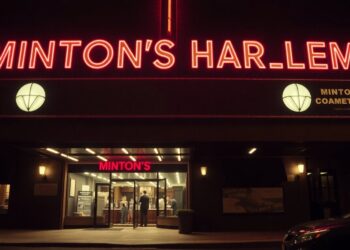
Visitors can stand at the former Minton’s Harlem site and imagine the nights there. Museums and walking tours include stops that explain the club’s role. Record collectors can buy early bebop sessions that feature Minton’s players. Libraries and streaming services host curated playlists titled with the club’s name. Schools and community centers run workshops that trace the techniques developed at the club. Musicians can study transcriptions of solos that first appeared there. Fans can attend tribute concerts and late-night jam sessions in modern clubs that echo the original format. Community organizers can start low-cost jams to test local talent. Each action keeps the club’s influence alive and helps new players join the lineage.