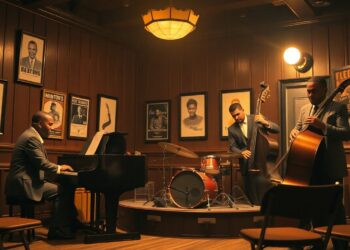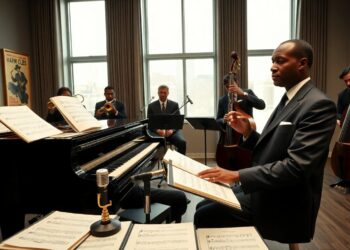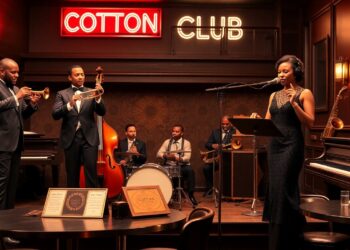
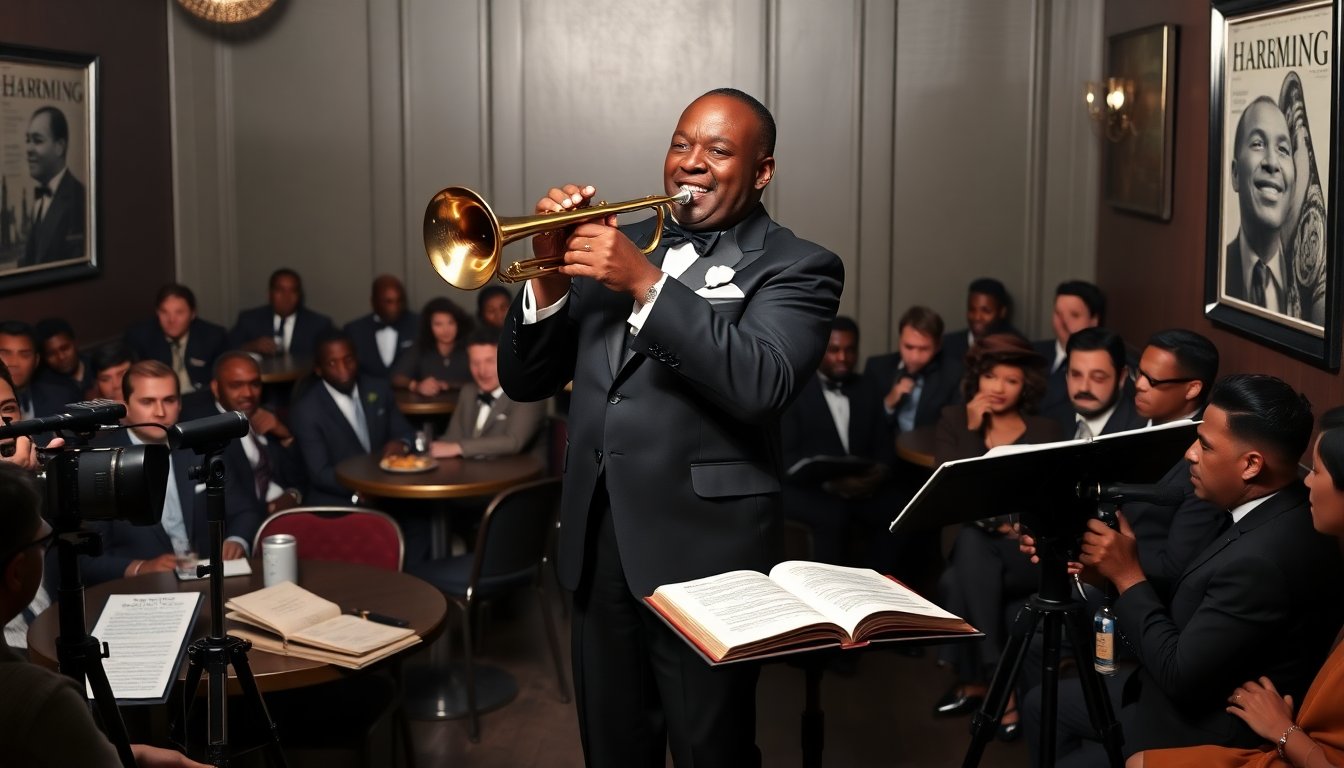
How did Louis Armstrong influence culture in the United States during the Harlem Renaissance? The question centers on music, race, and visibility. He changed musical technique, recording practice, and public image. He reached audiences across regions and classes. He altered how Americans heard Black music. This article explains his musical innovations, his cultural impact, and his long-term legacy.
Key Takeaways
- Louis Armstrong transformed jazz by expanding the soloist’s role and popularizing scat singing, setting new artistic standards during the Harlem Renaissance.
- He broke racial barriers through mass celebrity, introducing Black artistry to mainstream American audiences and reshaping perceptions of jazz.
- Armstrong’s charismatic public image and media presence helped redefine Black celebrity culture and opened doors for future Black artists nationally.
- His influence extended beyond music to cultural identity debates within Black communities, making discussions on representation and respectability widely visible.
- Armstrong’s legacy continues through his impact on later musicians, educational institutions, and American popular culture, solidifying jazz as a central American sound.
- His international tours spread jazz globally, turning it into a universal language and inspiring musicians worldwide during and after the Harlem Renaissance.
Transforming Music: Innovations In Jazz Performance, Recording, And Popularization
Louis Armstrong changed jazz performance. He expanded the role of the soloist. He used clear tone, inventive phrasing, and rhythmic drive. He shifted emphasis from group improvisation to individual expression. He recorded solos that people remembered. He introduced scat singing to wide audiences. He used his voice as an instrument. He made improvisation a model for later players.
He influenced recording practice. He made records that sold across racial lines. He worked with small bands and big ensembles. He brought technical clarity to trumpet playing on records. He chose repertoire that mixed blues, popular songs, and New Orleans repertory. He recorded with Hot Five and Hot Seven. Those sessions set a standard for jazz records.
He helped popularize jazz. He toured widely in the United States. He played in nightclubs, theaters, and on radio. He appeared in films and on record labels that reached national markets. He drew white and Black listeners to jazz. He made the music profitable for promoters and record companies. He so helped move jazz from local scenes to national culture.
He changed public expectations. Musicians began to focus on individual identity and showmanship. Trumpet players and singers adopted his phrasing and timing. Educators and arrangers started to transcribe his solos. He set technical and artistic targets for future players. His recordings served as textbooks for a growing generation of musicians.
Cultural Impact: Race, Celebrity, And The Reframing Of Black Identity
Louis Armstrong influenced cultural views on race. He became one of the first Black musicians to gain mass celebrity in the United States. He appeared in mainstream media. He crossed racial boundaries in performance and commerce. He reached audiences that rarely saw Black artists on stage.
He changed ideas about Black artistry. He showed skill, humor, and improvisation onstage. He presented Black music as sophisticated and inventive. He helped shift some white listeners from seeing jazz as disorderly to seeing it as creative. He did not erase racial barriers. He worked within a segregated society. Yet he forced Americans to reckon with Black talent in prominent spaces.
He shaped celebrity culture. He used personality as part of his art. He spoke with warmth and wit in interviews. He crafted a public image that mixed approachability with virtuosity. He signed commercial deals and appeared in films. He expanded the idea that a Black artist could be a national star. He influenced how managers and promoters marketed Black performers.
He affected Black identity politics. Some Black intellectuals praised him for lifting Black music. Others criticized him for the roles he accepted in segregated venues. He drew debate about respectability, representation, and agency. Those debates shaped broader discussions in Black communities during the Harlem Renaissance. His visibility made those discussions public and urgent.
Enduring Legacy: Influence On Later Artists, Institutions, And American Popular Culture
Louis Armstrong left concrete influence on later artists. Musicians studied his tone, swing, and timing. Singers copied his phrasing and his use of the voice. Trumpeters named him as a primary model. He influenced bebop players, swing bands, and later pop musicians. He inspired improvisers across genres.
He affected institutions. Schools and conservatories used his recordings to teach jazz. Record labels reissued his work for new audiences. Museums and archives preserved his papers and recordings. Festivals and awards used his name to honor jazz achievement. He so entered formal cultural memory.
He shaped American popular culture. His recordings entered radio playlists and film soundtracks. His image appeared in magazines and posters. He joined a small group of Black figures who became widely recognizable in the 20th century. His phrases and riffs entered popular language and advertising. He helped make jazz a central American sound.
He influenced global music. Touring took his style overseas. Musicians in Europe, Latin America, and Asia adopted his approaches. They adapted his solos and vocal techniques to local forms. He helped turn jazz into an international language.
He influenced civil life. Later generations used his success to argue for broader cultural inclusion. Activists and artists pointed to his career as evidence that Black talent deserved public recognition. He did not solve structural inequality. He did create tangible shifts in visibility and cultural resources. His work continues to shape how Americans listen to music and how they see the contributions of Black artists.