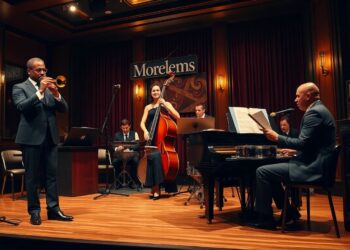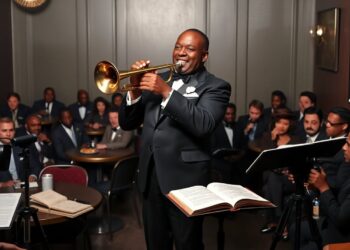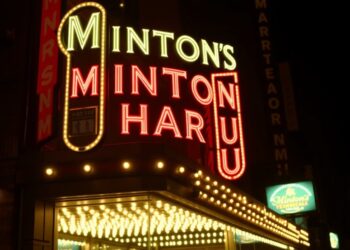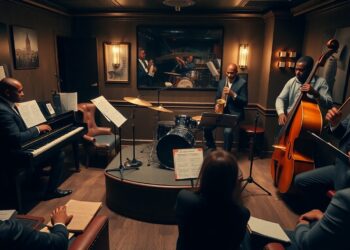
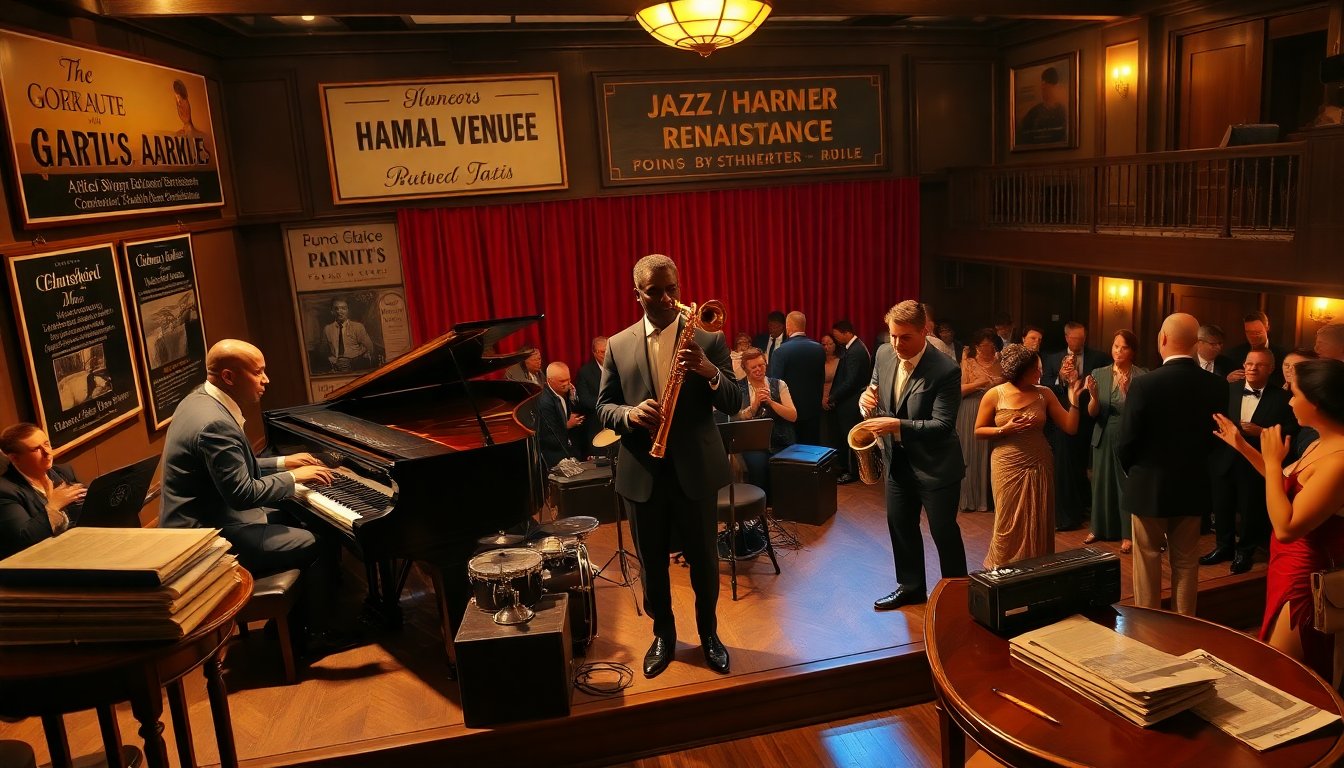
Jazz music in the Harlem Renaissance changed American culture and city life. The movement gave Black musicians new audiences and new power. Harlem streets, clubs, and theaters hosted music and conversation. Artists mixed beats, blues, and tradition. Historians link this music to social change, racial pride, and artistic innovation. The article explains roots, sound, figures, venues, and political effects of jazz music in the Harlem Renaissance.
Key Takeaways
- Jazz music in the Harlem Renaissance transformed American culture by blending blues, gospel, and urban rhythms to create innovative and dynamic sounds.
- Harlem’s vibrant venues and community spaces like the Savoy Ballroom provided vital support that sustained jazz musicians and nurtured creative exchange.
- Iconic Harlem musicians shaped national tastes, expanding jazz’s reach through recordings, tours, and performances, helping Black talent gain wider recognition.
- Innovations in rhythm, improvisation, and arrangement made jazz performances exciting and unpredictable, establishing improvisation as a core artistic skill.
- Jazz in the Harlem Renaissance was deeply connected to cultural politics, promoting racial pride and influencing literature, fashion, and future American music genres.
The Musical Roots And Urban Context Of Harlem Jazz
Harlem drew migrants from the South and Caribbean. They brought songs, rhythms, and performance customs. Jazz music in the Harlem Renaissance grew from blues, ragtime, gospel, and brass bands. Musicians met in churches, rent parties, and street corners. Record companies and theaters sent agents to Harlem. The city offered steady work and creative exchange. Musicians adapted rural styles to urban ensembles. That change shaped new rhythms and set lists. The neighborhood gave musicians an economy and an audience they lacked elsewhere.
Support authors and subscribe to content
This is premium stuff. Subscribe to read the entire article.