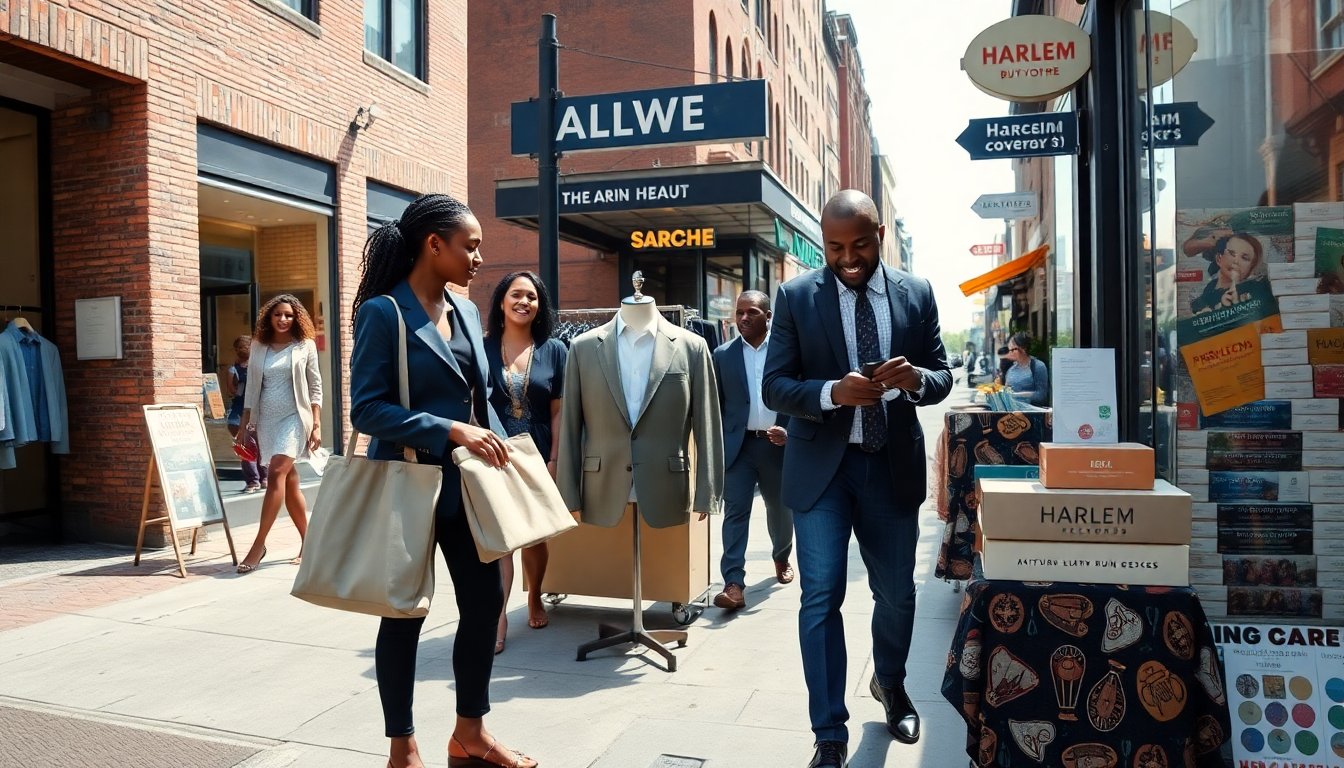
Harlem shopping draws visitors with culture, craft, and value. This guide explains where people shop, what they buy, and how to plan a visit. It highlights streets, stores, markets, and practical tips. Readers will learn the best neighborhoods, standout shops, and ways to support local owners while exploring Harlem shopping in 2026.
Key Takeaways
- Harlem shopping offers a unique blend of culture, craft, and value with items that reflect Black heritage and modern style.
- 125th Street is the heart of Harlem shopping, featuring boutiques, vintage stores, and specialty shops with easy transit access.
- Shoppers can find one-of-a-kind clothing, art, and food from local makers, making it ideal for meaningful and original purchases.
- Use public transit or rideshares to navigate Harlem shopping areas safely, and carry small cash as some vendors prefer it.
- Supporting Harlem shopping means choosing locally made goods, tipping service workers, and joining store newsletters to help sustain small businesses.
- Repeat visits are rewarding as many boutiques update their stock weekly with limited-edition finds and expert styling advice.
Why Shop Harlem Now — Culture, Craft, And Value
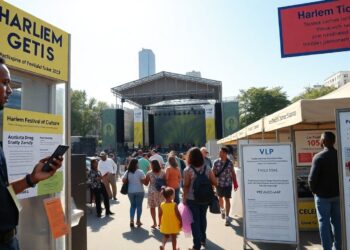
Harlem shopping mixes history and new design. Local makers sell clothing, art, and food that reflect community roots. Shoppers find items that tie to music, Black heritage, and modern style. Prices vary from budget street finds to curated boutique pieces. Visitors often get better value for unique items than in generic tourist districts. People who want meaningful purchases choose Harlem shopping to support small owners and discover original designs. Seasonal events and new store openings keep the scene active. The neighborhood also hosts workshops where shoppers meet makers and learn craft skills.
Where To Shop: Neighborhoods, Streets, And Atmosphere
Harlem shopping spreads across compact blocks. Each area offers a different vibe. Visitors will pick spots based on mood, budget, and interest.
125th Street And The Historic Commercial Corridor
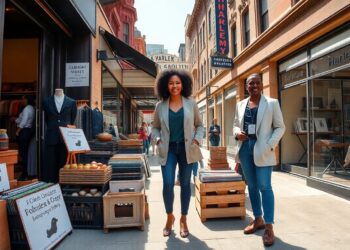
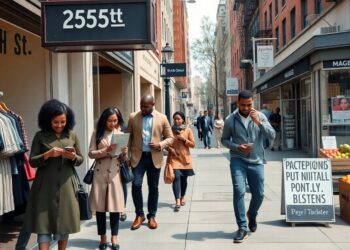
125th Street anchors Harlem shopping with long-standing businesses and new boutiques. The corridor holds department stores, record shops, and specialty food markets. People browse bookstores that focus on African American history. Street vendors sell jewelry and crafts near the transit hubs. The area stays lively midday and early evening. Shoppers will find easy transit access and many options in short walks. Tourists and locals mix, so visitors should watch bags and respect vendor space while exploring.
Standout Boutiques, Vintage Stores, And Specialty Shops
Harlem shopping includes standout boutiques and vintage stores that attract collectors. Vintage shops offer curated racks of midcentury and designer pieces. Boutiques showcase local designers who blend classic silhouettes with contemporary details. Specialty shops sell West African textiles, gospel music records, and artisanal food items. Buyers should check for limited runs and one-of-a-kind finds. Many stores update stock weekly, so repeat visits reward collectors. Staff often share care tips and styling ideas. Shoppers who want original items will find choices that differ from mainstream malls.
Practical Tips: Getting Around, Safety, Payments, And Supporting Local Businesses
Visitors should use transit or rideshare to reach Harlem shopping areas. Subway stops on 125th Street and Lenox Avenue give direct access. People who drive will find limited street parking and several paid lots. Shoppers should carry small cash for vendor purchases and expect card options in most stores. To stay safe, people should stay aware of surroundings and shop in daylight when possible. They should also ask for receipts and verify return policies. Buyers who want to support local owners should tip service workers, choose locally made goods, and sign up for store newsletters. Small purchases add up and help owners keep shops open.