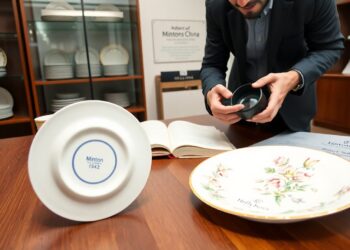
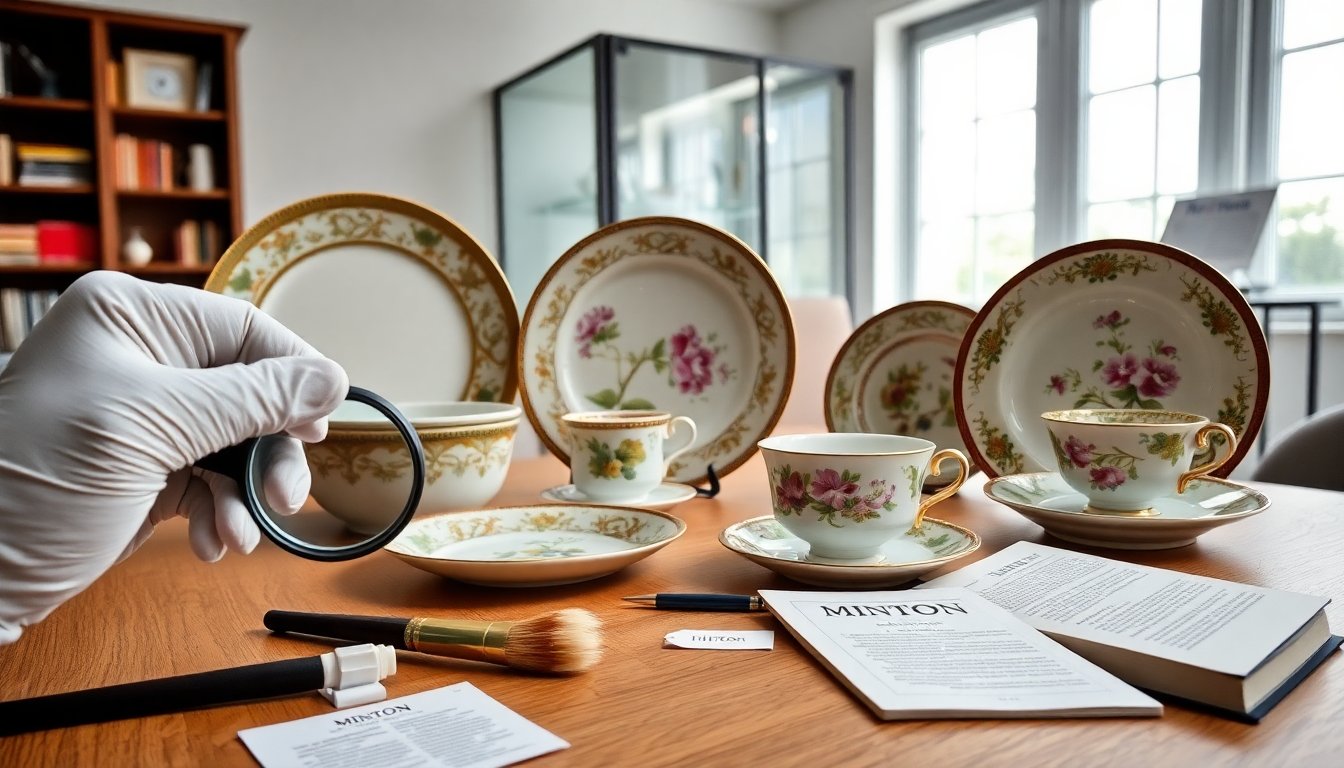
mintons china patterns drew collectors worldwide for their color, form, and detail. The guide presents clear steps to identify patterns, date pieces, and assess value. It gives key marks, notable designs, and care advice. The text uses precise language and direct examples. It targets collectors, dealers, and curious readers who want reliable, practical facts about Minton porcelain.
Key Takeaways
- Minton china patterns are renowned for their vibrant colors, detailed designs, and historical significance, making them highly prized by collectors worldwide.
- Identifying Minton pieces involves examining specific maker’s marks and backstamps that evolved from the late 18th to early 20th centuries, aiding accurate dating and authentication.
- Iconic patterns like Fairyland Lustre, Haddon Hall, and Indian Tree showcase Minton’s artistry and global influences, which are critical for recognizing valuable porcelain.
- Proper care for Minton china includes gentle hand washing, avoiding dishwashers, and protecting pieces from sunlight to maintain their condition and value.
- Collectors should carefully evaluate condition, rarity, and provenance, using tools like ultraviolet light and reference guides to distinguish genuine Minton china from reproductions or fakes.
The Story Behind Minton China: From Stoke-On-Trent To World Renown
John Minton founded a factory in Stoke-on-Trent in 1793. The firm produced earthenware and later hard-paste and bone china. The company hired skilled painters and designers. They created floral, neo-classical, and chinoiserie patterns. Collectors praise Minton for technical skill and bold decoration. The firm expanded through partnerships and exhibitions. It won awards at international fairs in the 19th century. Museums and private collections now hold major Minton sets. The brand influenced other English factories and set standards for Victorian tableware.
How To Identify Minton Marks And Date Your Pieces
Collectors inspect marks to date Minton pieces. The factory used different backstamps across centuries. Hand-painted pieces often carry painter initials. Printed marks began in the late 18th century. Later marks included registration numbers and impressed stamps. Wear and glaze changes also help estimate age. Provenance, invoices, and catalog references can confirm dates. The next two subheadings list common marks and registration signs and explain how to read them.
Maker’s Marks By Period: 18th–20th Century Stamps And Symbols
In the 1790s Minton used simple impressed marks. In the early 1800s the factory added painted initials and symbols. Mid-19th century pieces often show a printed blue mark reading MINTON/ & Co. Late-19th century wares show impressed numbers and gold printed logos. Early 20th century marks became standardized with date codes. Collectors look for color, font, and placement to confirm period. Reference books list common mark variants and example photos for comparison.
Most Iconic Minton Patterns To Recognize (And Why They Matter)
Minton Fairyland Lustre shows vibrant colors and gold highlights. The pattern dates to the late 19th century and reflects Aesthetic Movement taste. Haddon Hall and Renaissance Revival patterns display rich classical ornament. Floral patterns like Indian Tree and Japonisme versions show the firm’s interest in global styles. Royal commemorative services carry intricate handwork and gilt. Collectors value these patterns for rarity, condition, and historical importance. Knowing key examples helps buyers avoid misattributed pieces.
Caring For, Displaying, And Restoring Minton China Safely
Owners should dust pieces with a soft brush. They should wash items by hand in warm, mild soapy water. They should avoid dishwashers and abrasive pads. They should dry items with a soft cloth and air to finish. They should use padded supports in cabinets to prevent chips. They should keep porcelain away from direct sunlight to preserve color. For restoration they should consult a specialist conservator. A conservator will use reversible adhesives and match glazes to preserve value.
Valuing, Collecting, And Spotting Reproductions Or Fakes
Collectors assess value by condition, rarity, and provenance. They compare auction results and dealer prices. They inspect glaze crazing, kiln flaws, and hand-paint strokes. They check marks against trusted reference guides and museum records. Reproductions often show modern chemistry in glazes and machine-made uniformity. Fakes may fake marks or overclean older pieces. Collectors use ultraviolet light and magnification to check repairs and modern pigments. They buy from reputable dealers and request written guarantees when possible. Proper records and photos help when reselling or insuring valuable pieces.