Harlem shopping stores draw visitors for fashion, food, and culture. This guide lists streets, shops, and markets that locals recommend. It helps visitors plan visits, find Black‑owned boutiques, and spot vintage deals. The tone stays direct. Readers get clear tips and exact places to try.
Key Takeaways
- Harlem shopping stores cluster mainly along St. Nicholas Avenue, Frederick Douglass Boulevard, and 125th Street, offering a lively weekend atmosphere with best shopping times on Saturday late mornings.
- Many Harlem shopping stores feature Black-owned boutiques with unique streetwear, Afrocentric fashion, and cultural items supporting local and African artisans.
- Thrift and vintage shops provide sustainable fashion options with curated wardrobes and often fund community programs, rewarding repeat visits with fresh finds.
- Food markets and specialty grocers in Harlem offer culturally rich ingredients and prepared foods from West African, Caribbean, and Southern cuisines, enhancing home cooking experiences.
- Art galleries and gift shops sell locally made ceramics, prints, and crafts, encouraging buyers to support artists directly through unique commissions and original works.
- Practical shopping tips include using nearby subway lines, carrying small cash for vendors, staying aware for safety, and supporting local businesses by engaging with shops online and leaving reviews.
The Harlem Shopping Scene At A Glance: Neighborhoods, Vibe, And Best Times To Visit
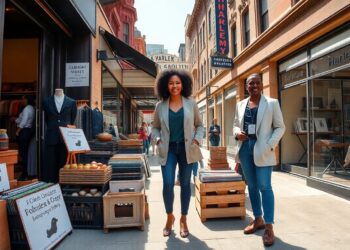
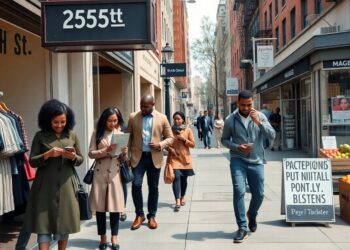
Harlem shopping stores cluster along St. Nicholas Avenue, Frederick Douglass Boulevard, and 125th Street. These streets host small boutiques, markets, and galleries. The vibe stays lively on weekends and calm on weekday mornings. Locals recommend late mornings on Saturdays to avoid crowds and catch fresh market stock. Visitors find many shops open midday and early evening. Tourists should check shop hours before travel. The neighborhood mixes long‑standing businesses with new designers. Shoppers find both established Black‑owned stores and emerging brands in the same block. This mix keeps Harlem shopping stores interesting year round.
Top Boutiques For Fashion And Streetwear
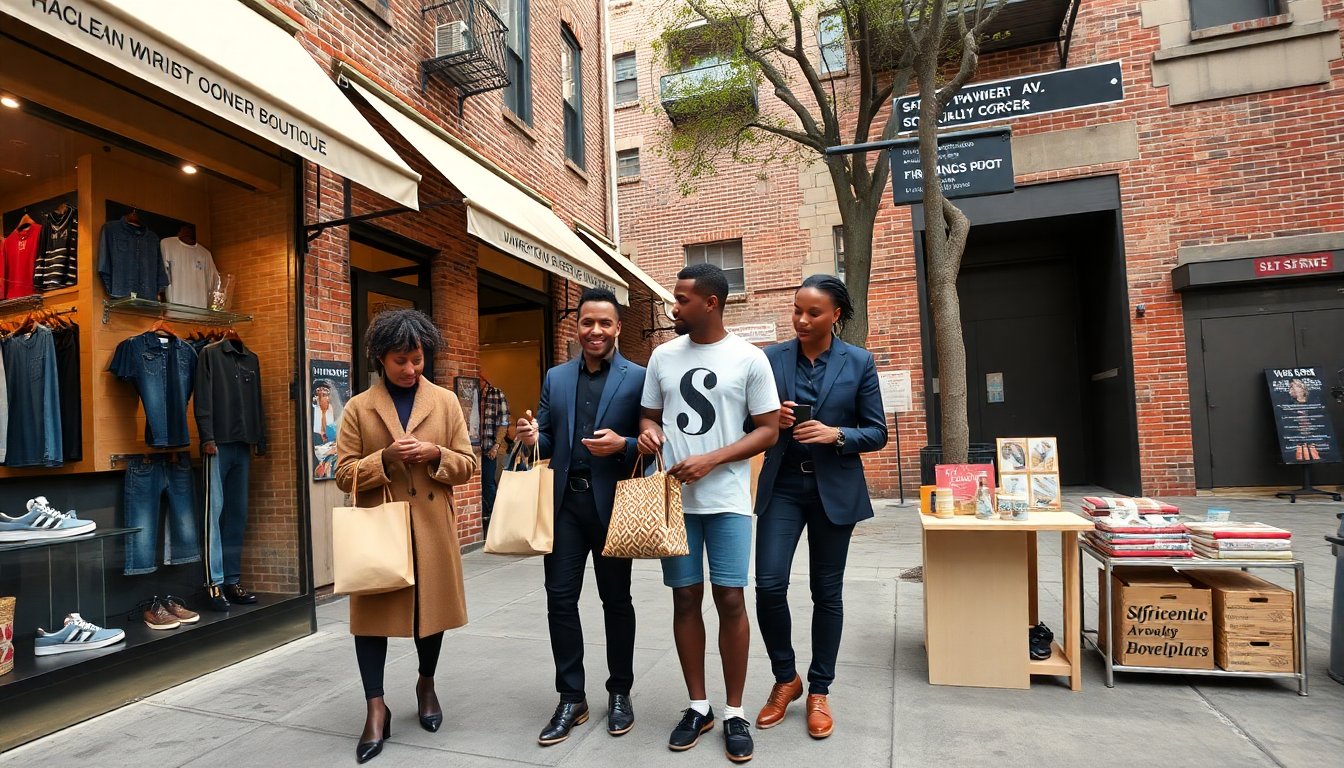
Harlem shopping stores include independent boutiques that focus on modern streetwear and tailored pieces. Shoppers find local designers who craft small runs and unique fits. Many boutiques stock limited sneakers, graphic tees, and seasonal outerwear. Staff at these shops offer fit advice and sizing notes. The stores often collaborate with local artists for capsule drops. Shoppers can ask about upcoming releases and sample new brands. Payment and return policies vary, so buyers should confirm before purchase. These boutiques support local makers and keep inventory fresh. People who value original pieces go to these stores first.
Vintage, Thrift, And Sustainable Finds
Harlem shopping stores feature thrift shops and vintage dealers that sell curated wardrobes. These shops sort clothing by era and condition. Shoppers often find denim, band tees, and retro jackets at fair prices. Some stores repair items and resell sustainable goods. Staff can point to rare finds and explain garment care. Buyers who prefer lower environmental impact choose these shops. The selection changes weekly, so repeat visits often reward persistent shoppers. Many thrift stores in Harlem also fund community programs.
Where To Find Afrocentric, Black‑Owned, And Cultural Shops
Harlem shopping stores host many Black‑owned shops that sell Afrocentric fashion, haircare, and crafts. These shops stock kente cloth, headwraps, and curated beauty products. Owners often share product origins and care tips. Shoppers find books, records, and art that highlight Black history and culture. Several stores source goods from Black artisans in the U.S. and Africa. Buyers who want authentic items ask about maker information and material sources. Many cultural shops also host events and readings. Attending those events helps support local businesses and build community ties.
Food Markets, Specialty Grocers, And Gourmet Shopping
Harlem shopping stores include food markets that sell specialty produce, spices, and prepared foods. Shoppers find West African, Caribbean, and Southern staples. Specialty grocers stock ingredients like yams, plantains, and unique spice blends. Market stalls sell fresh fish, baked goods, and coffee. Shoppers can sample food before buying at some vendors. Farmers markets appear seasonally and sell local produce and prepared meals. Many grocers in Harlem focus on quality and community relationships. Customers often ask vendors for cooking tips and recipe ideas. These markets help shoppers cook cultural meals at home.
Home Goods, Art Galleries, And Gift Shops Worth Visiting
Harlem shopping stores include galleries and home shops that sell art, prints, and handcrafted goods. Shoppers find ceramics, framed works, and textile pieces that reflect local themes. Gift shops stock cards, candles, and local brand collaborations. Gallery staff explain artists’ backgrounds and exhibition themes. Buyers who want original work often commission pieces from local artists. Many shops rotate stock with each show, so the selection changes monthly. Visitors who want easy souvenirs pick locally made items rather than mass‑market goods. These purchases send money directly to artists and shop owners.
Practical Tips For Shopping In Harlem: Transit, Safety, And Supporting Local Business
Harlem shopping stores sit near multiple subway lines and bus routes. Riders take the A, B, C, D, 2, 3, and 4 trains to reach main shopping corridors. Shoppers use contactless payment where possible. They carry small cash for market vendors. For safety, visitors stay aware of surroundings and keep valuables secure. Shoppers ask shop staff for local recommendations and quiet times. To support local business, buyers choose independent stores, buy original work, and follow shops on social media. They leave reviews and tell friends about positive experiences. These actions help keep Harlem shopping stores open and vibrant.