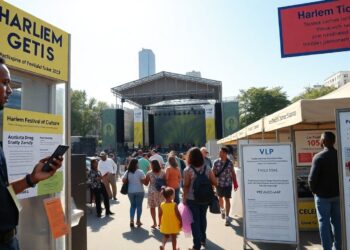
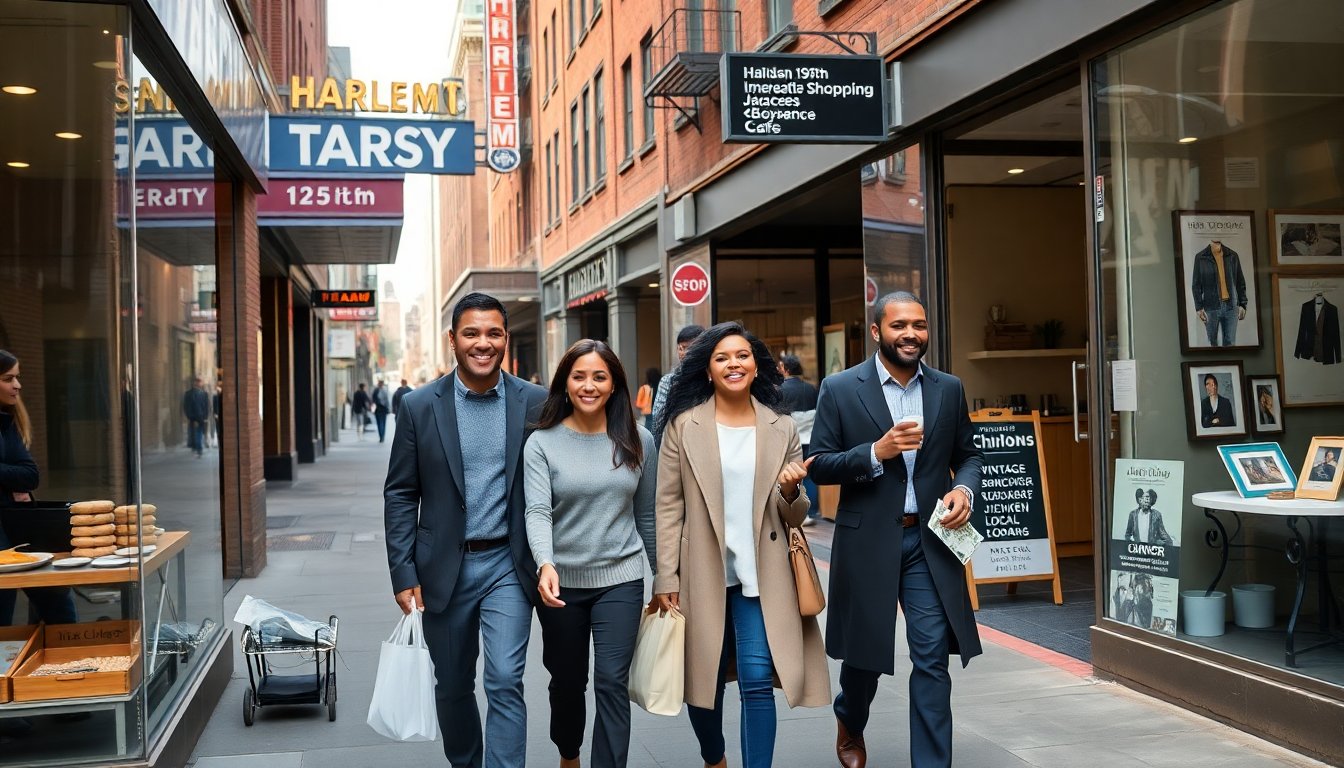
The harlem shopping district draws visitors with shops, food, and history. It mixes long-standing stores and new boutiques along busy streets. Shoppers find art, vintage clothes, and local services within walking distance. This guide helps a visitor plan time, know what to buy, and pick places to rest. It uses clear directions and simple tips for an efficient visit.
Key Takeaways
- The Harlem shopping district offers a vibrant mix of historic stores, new boutiques, and street vendors, making it a rich destination for diverse shopping experiences.
- 125th Street serves as the district’s main corridor featuring big retailers, local boutiques, cultural sites, and street vendors all within walking distance.
- Shoppers can find unique items such as local art, vintage clothing, jewelry, and food products that support Harlem’s community and economy.
- Visitors should plan for a blend of indoor stores and outdoor stalls, carrying cash for some vendors and scheduling breaks to enjoy eateries and performance spaces.
- The district features numerous dining options, from coffee shops and diners to street food vendors, with quiet spots and live music venues available to enhance the shopping experience.
What To Expect From Harlem’s Shopping Scene Today
Shoppers will find a harlem shopping district that blends old and new. Local owners run many small stores. New brands open pop-ups and galleries on weekends. Streets stay lively with vendors selling food and crafts. Prices range from budget to high end. Staff often speak to customers with warmth and local knowledge. They accept card and cash, but some vendors prefer cash. Shoppers see frequent community events and occasional street fairs. People should plan for a mix of indoor stores and outdoor stalls.
Main Shopping Corridors And What Makes Each Unique
Visitors will focus on a few key corridors in the harlem shopping district. Each corridor offers a different shopping pace and product mix. Travelers should set aside time for walking and short breaks. The three corridors below give a clear view of local retail life.
125th Street: Anchors, Street Vendors, And Cultural Stops
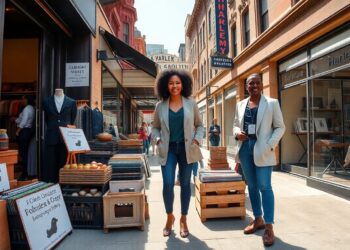
125th Street anchors the harlem shopping district with large stores and cultural sites. Big retailers and local boutiques sit near subway exits. Street vendors line the sidewalks with food, clothing, and accessories. The street hosts performance spaces and historic theaters. Visitors can move from a museum to a market in five minutes. Tourists should look for local bookshops and music stores that stock Harlem history. They will find fast casual food and sit-down restaurants along the corridor. The area stays busy most days.
What To Buy In Harlem: Boutiques, Vintage, Art, And Souvenirs
Visitors often ask what to buy in the harlem shopping district. They should consider local art and photography that reflect Harlem life. Shoppers will find vintage jackets, shoes, and hats with unique character. Boutiques sell jewelry, home goods, and small fashion labels. Souvenirs include prints, postcards, and music from local artists. Customers can buy food items such as spice blends and hot sauce made by neighborhood brands. People should ask for provenance on art and check return rules on vintage items. Buying from local makers helps the neighborhood economy.
Where To Eat, Grab Coffee, And Refuel While You Shop
The harlem shopping district offers many spots to eat and rest. Coffee shops serve espresso, drip coffee, and pastries. Cafes provide quick sandwiches and longer table service. Locally owned diners serve soul food and comfort dishes. Food vendors sell jerk chicken, falafel, and empanadas on the street. For a sit-down meal, reservations help on busy nights. People who want quiet can seek coffee shops by side streets. Those who want live music should pick venues that combine food and shows. Shoppers should carry a water bottle and use restrooms in larger stores when needed.