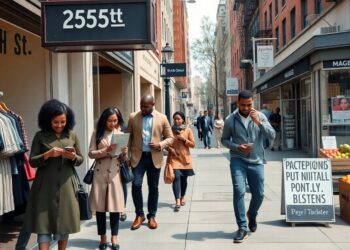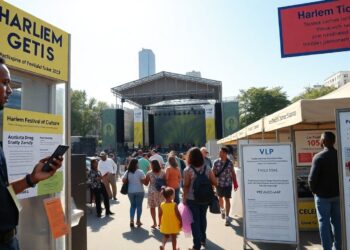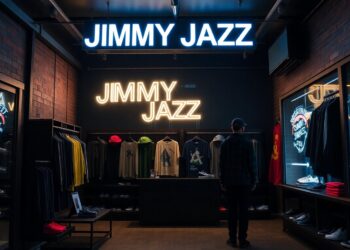
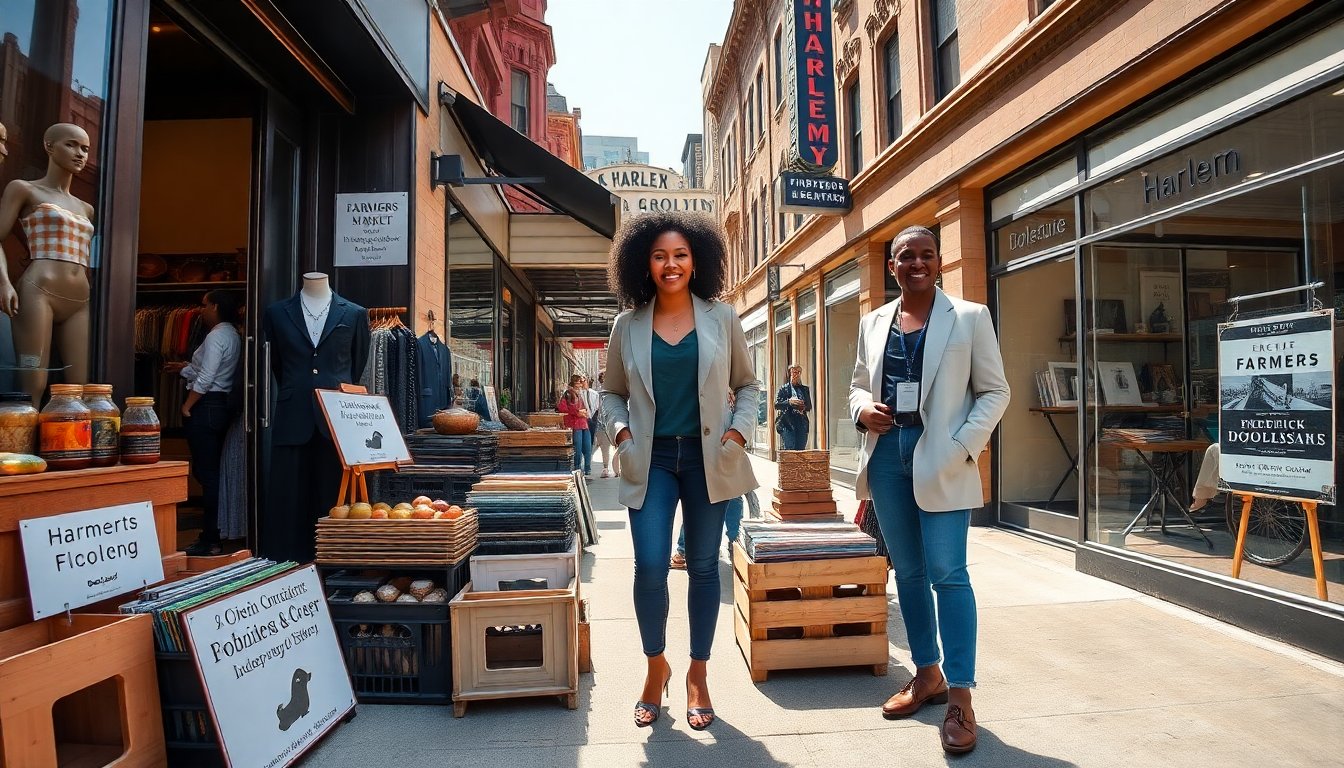
shopping in harlem ny attracts visitors who want culture, food, and unique goods. The guide lists streets, markets, and tips for smart visits. It helps readers find local shops, food halls, and weekend markets. The tone stays practical and direct. The content suits visitors who want clear directions and local context. The guide uses plain language and short sentences. It points to places that highlight community and history. It prepares readers to explore Harlem with respect and curiosity.
Key Takeaways
- Shopping in Harlem NY combines cultural history with unique local goods, offering visitors vintage, boutique, and Black-owned brand experiences.
- Main shopping corridors like 125th Street, Frederick Douglass Boulevard, and Lenox Avenue each provide distinct atmospheres featuring legacy stores, fashion boutiques, and local retailers.
- Markets and food halls in Harlem supply fresh produce and neighborhood-inspired foods, letting shoppers taste and buy authentic local flavors.
- Weekend flea markets and pop-up events showcase vintage items and local crafts, providing affordable and vibrant shopping opportunities with unique finds.
- Visitors should use public transit and walk to explore diverse shops while practicing respect for local customs and payment preferences to support Harlem’s community-oriented businesses.
Why Shop In Harlem? Culture, History, And Community Matter
Harlem offers history, music, and craft that shape local shops. Shoppers find vintage clothing, independent bookstores, and Black-owned brands. Residents open shops that reflect neighborhood stories. Many stores sell goods made by local makers. Small businesses reinvest in the block through events and hiring. Visitors support community projects when they buy from local vendors. Museums and cultural centers sit near retail streets and often partner with sellers for events. Shoppers learn about Harlem when they ask store owners about products. The area rewards curiosity with personal service and goods that carry local meaning.
Best Neighborhood Shopping Corridors
Harlem contains clear shopping corridors that each offer a different feel. 125th Street acts as a main artery with a mix of legacy stores and new shops. Frederick Douglass Boulevard shows a boutique and design focus with fashion shops and home goods. Lenox Avenue blends restaurants, barbers, and small retailers that sell art and apparel. Walkers find one-of-a-kind items on side streets and in small plazas. Each corridor hosts seasonal events that bring local makers to the sidewalk. Shoppers plan routes that pair a main street stop with a few side-street discoveries for variety.
125th Street And Historic Shopping Destinations
125th Street serves as a focal point for shopping in Harlem ny with historic department stores and music shops. The street offers record stores, apparel shops, and souvenir stands. Landmarks sit near retail clusters and draw steady foot traffic. Strollers find galleries, shoe shops, and longtime family businesses. Many stores display items that reflect Harlem history and the Harlem Renaissance. Street vendors sell food and crafts near transit hubs. Shoppers can combine retail stops with cultural visits to theaters and museums. The block provides both chain options and local businesses that focus on community needs.
Frederick Douglass Boulevard, Lenox Avenue, And The Boutique Scene
Frederick Douglass Boulevard features independent boutiques and designer pop-ups. The shops show modern fashion and curated home goods. Lenox Avenue offers a mix of legacy retailers and new small businesses. Boutiques on both streets highlight local designers and vintage finds. Shop owners often explain product stories and fabrics. Buyers can book fittings or order custom pieces at some stores. These corridors host evening events that extend shopping hours. The boutique scene suits shoppers who want unique pieces and friendly service. Buyers should expect higher prices at curated shops and find value in quality and originality.
Markets, Food Halls, And Where To Find Local Produce
Markets and food halls supply fresh produce and prepared food for shoppers who want local flavor. Indoor food halls gather vendors that sell soul food, Caribbean dishes, and farm produce. Weekly markets bring farmers who sell seasonal fruits and vegetables. Shoppers find prepared meals that reflect the neighborhood heritage. Produce vendors often accept cards and sometimes EBT. Food halls also sell packaged goods from local makers like sauces, baked goods, and coffee. Visitors use markets to sample food and to buy ingredients for a short-term stay. The markets help small producers reach a city audience without a permanent storefront.
Weekend Flea Markets, Pop‑Ups, And Seasonal Shopping Events
Weekend flea markets offer vintage clothing, records, and household items. Pop-up events place local brands in shared spaces for short runs. Seasonal markets appear during holidays and summer festivals. These events let small makers test products and meet customers. Shoppers find deals on secondhand goods and one-off art pieces. Organizers list events on social media and community calendars. Buyers should arrive early for the best picks. Vendors usually accept cash and cards. The markets provide a low-cost way for creators to sell without a long lease. They also create a lively atmosphere for casual shopping.
Practical Tips: Getting Around, Safety, Payments, And Local Etiquette
Shoppers use subway lines and buses that run along major corridors. Riders plan routes and carry a transit app for real-time updates. Walking will reveal small shops that transit misses. Stores accept credit and mobile payments, but small vendors may prefer cash. Shoppers carry small bills for flea markets and tips. They stay aware of belongings on busy blocks and keep valuables close. Respectful behavior includes asking before taking photos and listening to seller stories. Buyers decline haggling where prices seem fixed. Shoppers support local rules and follow posted signs in stores and markets.