Mintons China appears in many antique shops and auctions. This guide explains what Mintons China is, how to spot original pieces, and how to care for them. It gives clear signs collectors use to identify marks and patterns. It lists common values and buying sources. It helps new collectors make smart choices and keep pieces in good condition.
Key Takeaways
- Mintons China, founded in 1793, is prized for its Victorian designs, high-quality bone china, and collaborations with designers like Christopher Dresser.
- Collectors identify Mintons China by examining marks, pattern names, and testing porcelain characteristics such as weight and glaze tone.
- The value of Mintons China pieces depends on rarity, condition, age, and pattern, with marked and complete services typically commanding higher prices.
- Buy Mintons China from reputable antique shops, auctions, and dealers while verifying condition and authenticity through detailed photos and condition reports.
- Proper care includes hand washing with mild detergent, gentle handling, padded storage, and keeping pieces away from direct sunlight to preserve their condition and value.
- For restoration, always consult a qualified conservator to maintain the piece’s integrity and market value, avoiding amateur repairs that can reduce worth.
The Story And Lasting Legacy Of Mintons China
Mintons China began as a family firm in Stoke-on-Trent in 1793. Thomas Minton founded the company to make earthenware and porcelain. The firm grew through the 19th century by hiring skilled decorators and adopting new kiln technology. It won awards at international expositions and supplied services to wealthy households.
Collectors value Mintons China for its design range. The firm produced ornate Victorian dinner services, painted figures, and transfer-printed wares. It also made high-quality bone china decorated with gold and hand painting. Designers such as Christopher Dresser worked with Minton and boosted its reputation for fresh patterns and shapes.
Museums and specialists cite Mintons China for its role in English taste. Curators show Mintons pieces in exhibits about industrial craft and decorative arts. The brand name survives on pieces made in the 19th and early 20th centuries. Many pieces still show high craftsmanship and collectible design.
How To Identify Mintons China
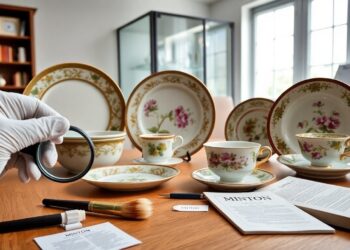
Collectors look for marks, pattern names, and material to identify Mintons China. They check the base for impressed or printed stamps. They compare pattern motifs with known samples. They also test the porcelain body and glaze for age clues.
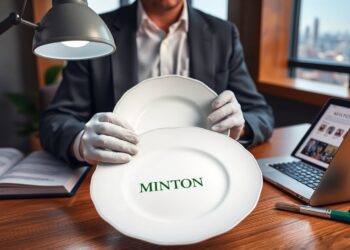
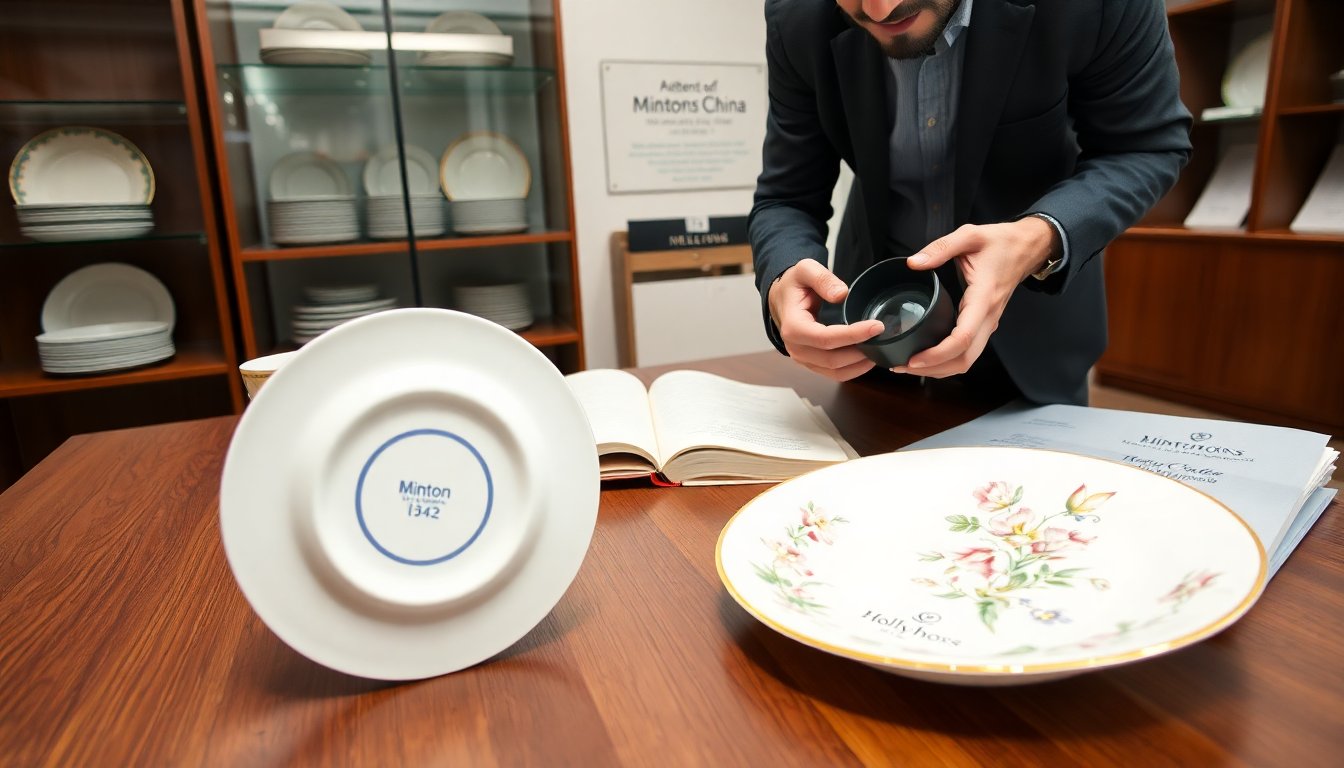
Many Mintons marks display the name “Minton” or “Mintons” with a date, crown, or crossed swords motif. The firm changed marks often. A printed blue mark may date from the mid-19th century. An impressed mark often appears on heavier wares. Pieces made for export sometimes carry retailer names instead of Minton’s company name.
Pattern names appear on paper liners or in dealer catalogs. Collectors reference pattern books and auction records to match names such as “Hollyhock” or floral designs. Pattern numbers help when a printed name is absent. The shape and weight of a piece also give clues. Older tableware often feels heavier and has a warmer glaze tone.
Experts advise photographing marks and comparing them to reliable references. They suggest joining collector forums and consulting specialist books. They also recommend checking the rim, foot, and glaze for kiln faults that match known Mintons production methods.
Collecting, Valuing, Caring For, And Where To Buy Mintons Pieces
Collectors decide their goals before they buy Mintons China. Some buy for display. Some buy to use. Some buy to resell. Goals influence how much they will pay.
Value depends on condition, rarity, age, and pattern. A rare pattern or a complete dinner service commands higher prices. Chips, cracks, and restoration reduce value. A marked and dated piece often sells for more than an unmarked one.
Buyers find Mintons China at antiques shops, auctions, estate sales, and specialist dealers. Online marketplaces list many pieces, but buyers should inspect photos and ask for close-ups of marks. Reputable dealers provide condition reports and return policies.
Care extends lifespan and value. Handle pieces with clean hands. Support plates at the base, not by the rim. Avoid dishwashers. Wash by hand in warm water with mild detergent. Dry pieces with a soft towel and let them air dry before storage.
Store Mintons China on padded shelves or in lined cabinets. Stack plates with felt pads between each plate. Keep porcelain away from direct sunlight to prevent fading. Use acid-free tissue for fragile items and keep humidity stable.
For restoration, consult a qualified conservator. Amateur repairs can lower value. A conservative repair can stabilize a piece for display while keeping most of its market value.
Collectors keep records of provenance and purchase receipts. They photograph each piece and log marks and measurements. This practice helps with insurance and future sales.