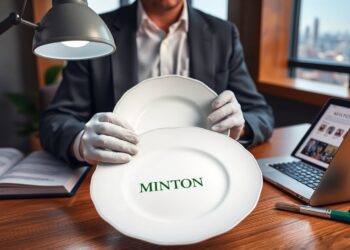
Minton’s England China began in Stoke-on-Trent in 1793 and grew into a leading English bone china maker. This guide explains how to identify Minton backstamps, date pieces, and care for them. It helps collectors make informed purchases and protect value. The text uses clear steps and direct facts to guide collectors and casual buyers.
Key Takeaways
Minton’s England China, established in 1793 in Stoke-on-Trent, is renowned for its quality bone china and distinctive backstamps that help date pieces accurately.
Collectors should identify Minton marks by examining impressed, printed, and painted backstamps along with date codes and decorators’ initials to confirm authenticity and age.
Popular Minton patterns include floral designs, Hispano-Moresque revivals, and royal commemoratives, which tend to have higher collector value.
When buying Minton china, prioritize clear photos, seller provenance, and thorough inspection of condition and backstamps to make informed purchases.
Proper care involves gentle cleaning with mild detergent, careful handling, and consulting conservators for restoration to preserve the china’s value and appearance.
Using price guides and auction results aids in valuing Minton’s England China pieces and building a valuable collection with attention to rarity and pattern completeness.
The Story Of Minton: From Stoke‑On‑Trent To Global Reputation
Mintons England China started when Thomas Minton opened a small pottery in Stoke-on-Trent. He produced earthenware and later added bone china. The firm expanded under his son and later partners. They focused on quality, design, and new glazes. Royal warrants and international exhibitions raised the firm’s profile. Collectors note the 19th-century rise in decorated services and museum commissions. The company merged with larger firms in the 20th century. Yet the Minton name continued on high-end china and commemorative pieces.
How To Identify Minton Backstamps And Date Your Pieces
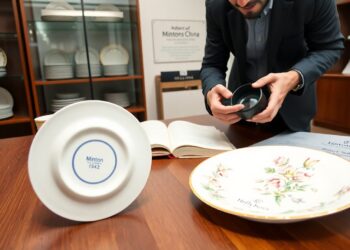
Collectors look at marks to date Minton wares. Backstamps often state “Minton” plus location or decorator. Printed marks, impressed marks, and painted marks appear across centuries. Known date codes and registration numbers help narrow production years. Makers sometimes used pattern names and painter initials. Paper labels and retailer marks also appear. A clear photo of the backstamp helps experts confirm age and pattern. Condition and decoration style provide supporting clues for dating.
Key Backstamps, Warrants, And Date Codes To Recognize
Minton’s England China used several hallmark types. Early 19th-century pieces show impressed “Minton” with a simple script. Mid-century printed marks often include the word “England.” Later marks add factory codes and registration diamonds. Royal warrants appear on items made for royal households. Registration numbers from the 1840s to 1900s give exact pattern dates when checked against registries. Post-1920 marks sometimes read “Minton, England” in block letters. Collectors check guides and databases to match marks to years.
Most Sought‑After Minton Patterns, Services, And Designers
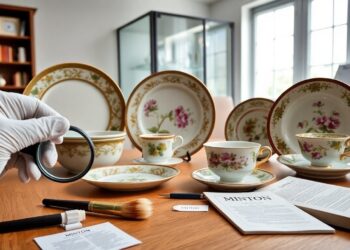
Collectors prize floral plates, Hispano-Moresque revivals, and neo-classical services. Royal commemorative services and limited editions fetch higher prices. Designers such as Herbert Minton-era decorators and later studio artists attract interest. Certain patterns like the Aesthetic Movement plates or Renaissance Revival services remain popular. Hand-painted dinner services with gilt edges command premium sums. Designer-signed pieces and early factory-decorated wares draw both museums and private collectors.
Practical Tips For Buying, Valuing, And Building A Minton Collection
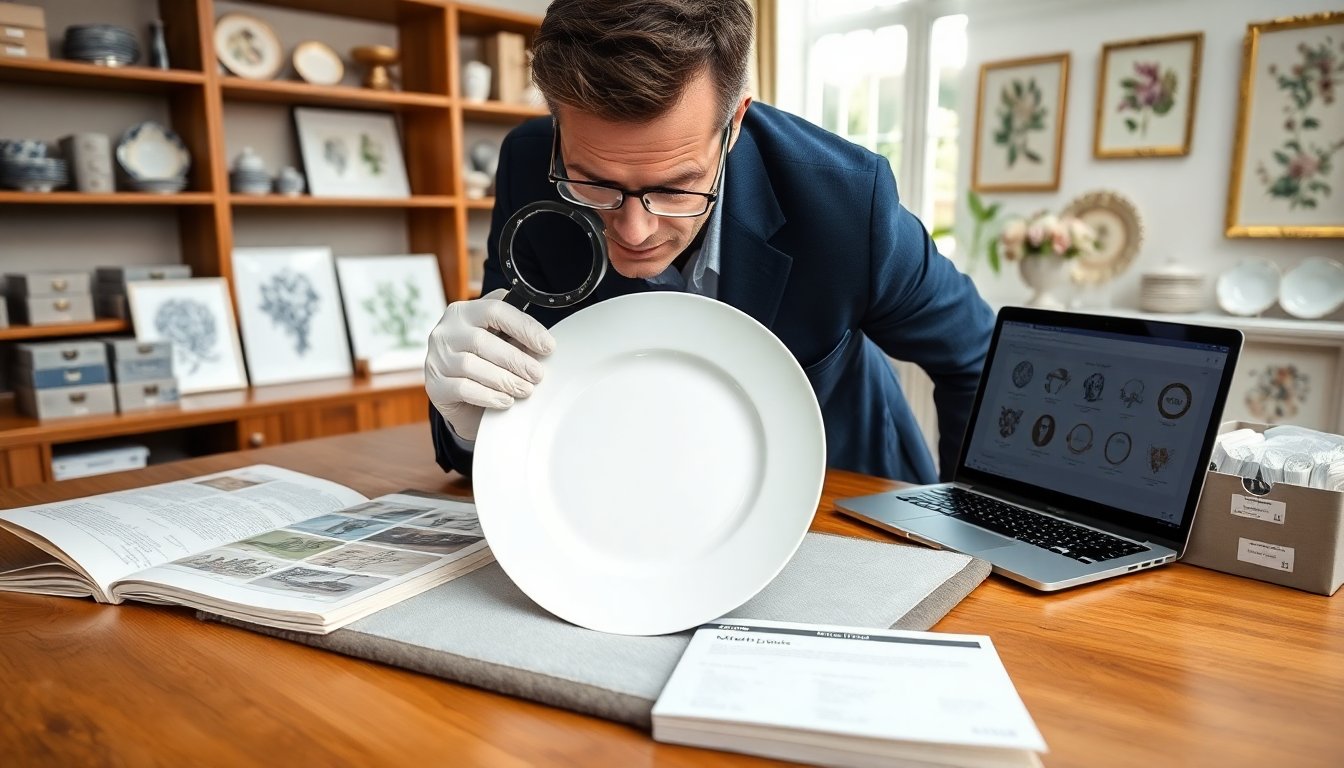
Buy with clear photos and seller provenance. Inspect backstamps, condition, and restoration signs. Compare prices across auctions and specialist dealers. Start with smaller pieces to learn marks and patterns. Keep receipts and document acquisitions for valuation. Consult price guides and recent auction results for current market values. Pay attention to pattern rarity and service completeness. When in doubt, ask a qualified appraiser before making a high-value purchase.
Care, Cleaning, And Basic Restoration For Minton England China
Handle Minton’s England China with clean hands and padded surfaces. Store pieces upright with felt separators. Clean items with warm water and mild detergent. Use a soft cloth and avoid scouring pads. Test gilded areas gently: avoid dishwashers for antique gilt. For hairline cracks and small chips, consult a conservator. Use archival packing for transport. Document any restoration and keep removed pieces for records. Proper care preserves appe