

You’re paying the mortgage, keeping the lights on, and maybe putting a bit into savings each month. But when was the last time you checked whether your financial setup could actually handle a curveball?
Rising costs and unpredictable health events have changed what “financially stable” really means. Reviewing essentials like savings buffers, insurance gaps, and income protection can reveal blind spots most families don’t notice until it’s too late.
Your Emergency Fund vs. Three Months of Real Expenses
Most households have some savings sitting in an account somewhere. But few have done the maths on what three months of non-negotiable expenses actually add up to. Think about your mortgage or rent, utilities, groceries, transport, and any debt repayments. That total is your real baseline survival number.
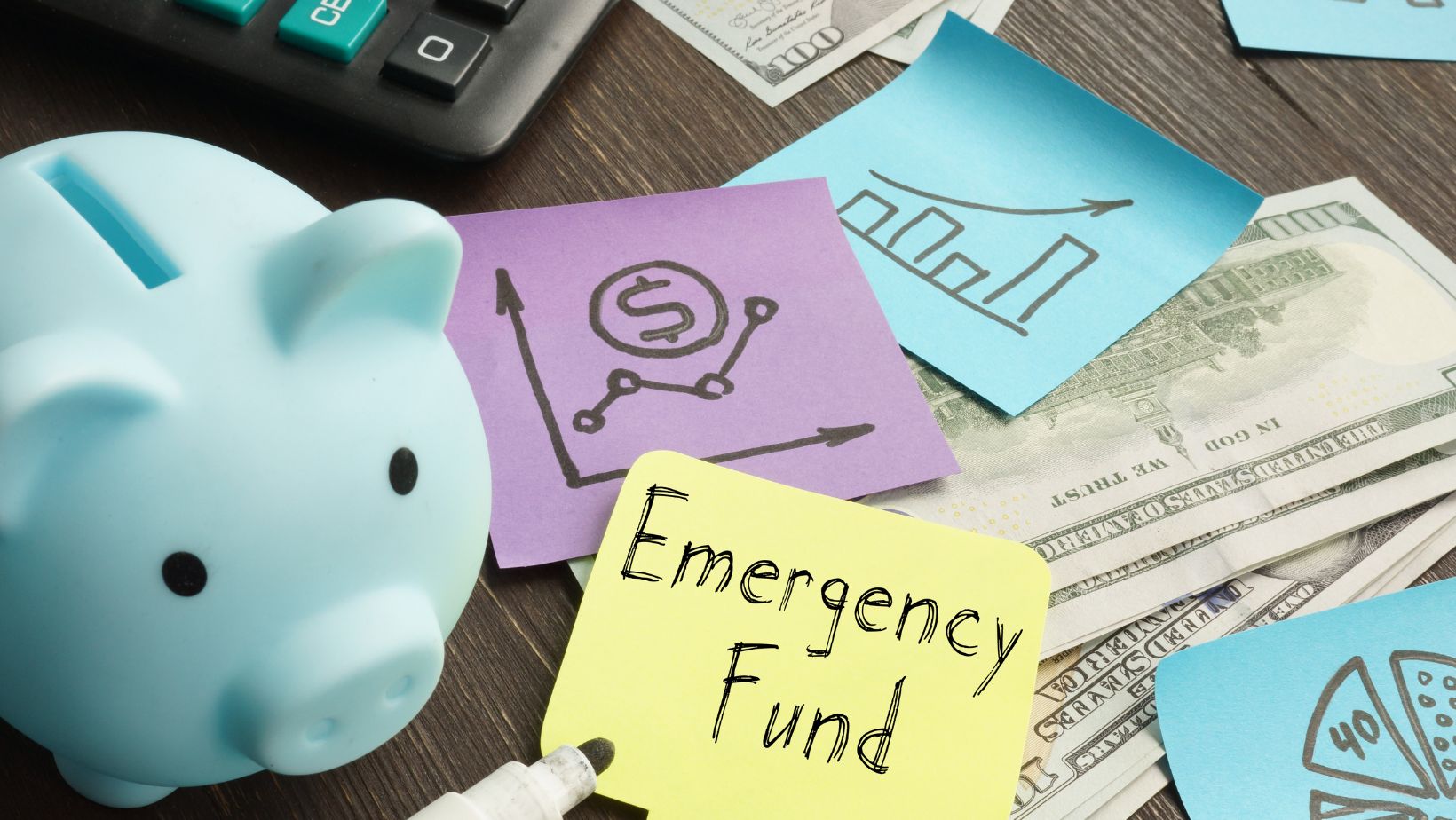
If 35% of Australian adults already find it difficult to get by on their current income, the picture gets worse fast without a paycheque coming in. An emergency fund isn’t about comfort. It’s about buying time when your pay stops and the bills don’t.
Sick Leave, Government Benefits, and What They Actually Cover
Australian workers get 10 days of sick leave per year. For a bad flu, it’s enough. For a back injury that needs months of rehab or a mental health episode that takes you off work for half a year, it’s gone before recovery even starts.
Government support doesn’t fill the gap either. JobSeeker sits at roughly $55 per day. If you’re covering a mortgage and feeding a family, that doesn’t come close. And if you’re self-employed, there’s no sick leave at all.
Insurance You’re Paying For vs. Insurance You’re Missing
Pull up your current insurance policies, and you’ll probably find car cover, home or contents cover, and maybe private health insurance. These protect your assets and your access to medical care. They’re important.
But what’s the financial impact of a scratched bumper compared to not earning for six months? When you rank your risks by how much damage they’d actually cause, the order often looks different from what you’re currently paying for. The most expensive risk isn’t always the most obvious one.
Your Super Fund’s Default Settings and Hidden Gaps
Most Australians set up their super when they start a new job, tick a few boxes, and never look at it again. Fees, investment options, and default insurance settings go unchecked for years.
Some super funds include default insurance cover, but the benefit periods are often short, and the coverage amounts are limited. Some funds don’t offer it at all. It’s worth logging in and checking what you’re paying in fees, whether your investment option still suits your goals, and whether any default cover actually exists.
Subscriptions, Fees, and the Slow Leaks in Your Budget
This is the easiest win on the checklist. Streaming services you’ve forgotten about, gym memberships you haven’t used since March, and “buy now, pay later” accounts are still quietly active. These small recurring charges compound fast.
Pull up your last three bank statements and highlight every recurring charge. Cancel what you’re not using. Renegotiate what you are. Even recovering $50 a month puts $600 back in your pocket over a year.
The One Risk Most Households Still Haven’t Planned For
Look back through this checklist, and you’ll notice a pattern. Your emergency fund, your sick leave, your insurance, your super, even your subscriptions. Every single one of them runs on the same fuel: your ability to earn. Take that away for six months, and the whole structure starts to feel the weight.
Australians insure their cars, their homes, and their health without thinking twice. But the paycheque that covers all of those premiums often has no safety net of its own. One in five claims for lost income now comes from mental health alone, which means this isn’t just a risk for people in physically demanding jobs.
If every other item on this checklist is in order but your earning capacity isn’t covered, that’s the gap worth closing first. Everything else depends on it.