Minton’s Jazz Club sits at the center of bebop history. The club hosted late-night sessions that pushed jazz forward. Historians, musicians, and fans point to Minton’s as a turning point. This guide outlines why Minton’s mattered, who shaped its sound, how the space felt, and how visitors can plan a modern visit.
Key Takeaways
Minton’s Jazz Club played a crucial role in the birth of bebop by providing a space for musicians to experiment with fast tempos and altered harmonies.
The club’s house band, featuring pioneers like Thelonious Monk and Kenny Clarke, supported innovative and competitive performances that shaped modern jazz.
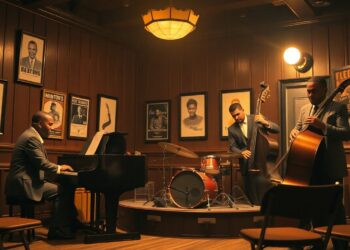
The original Minton’s had an intimate, energetic atmosphere that encouraged close audience interaction, a vibe preserved with modern upgrades at today’s Minton’s Playhouse.
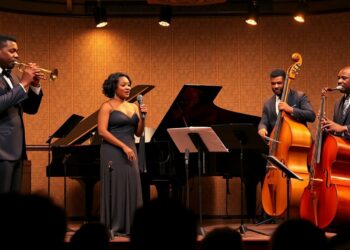
Visitors to Minton’s should book tickets early, especially for weekend shows, and can enjoy a mix of seated and standing events that celebrate the club’s historic legacy.
Minton’s Jazz Club remains a cultural landmark where fans can experience live jazz performances while connecting with the rich history of bebop’s origins.
Why Minton’s Became The Epicenter Of Modern Jazz
Mintons jazz club drew top players to Harlem in the 1940s. The owner opened the venue with late hours and a loose jam format. Musicians met there after sets at other clubs. Players tested new ideas on fast tempos and altered harmonies. Bandleaders and soloists found the space allowed risk. Critics later labeled the style “bebop.” Musicians and historians often cite Minton’s as the place where bebop took shape. The club’s culture encouraged experimentation, and that focus changed jazz language nationwide.
Key Figures And Landmark Sessions That Changed Jazz
Minton’s jazz club hosted many key figures who shaped bebop. The players in the room pushed the music with new rhythmic and harmonic choices. The following subtopics list the main contributors and moments.
The House Band And Regulars
The house band at Minton’s included Thelonious Monk on piano and Kenny Clarke on drums in early sessions. They played with alto players like Charlie Parker and tenor players like Coleman Hawkins when those guests came by. The house group supported long, competitive solos and sharp rhythmic shifts. Regulars learned from each other and raised the technical bar. The scene produced players who later led bands and recorded the new style.
The Club’s Physical Space, Sound, And Vibe — Then Vs. Now
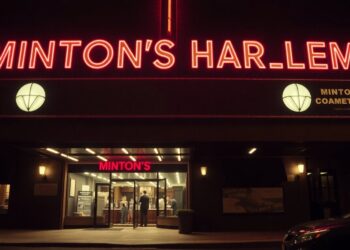
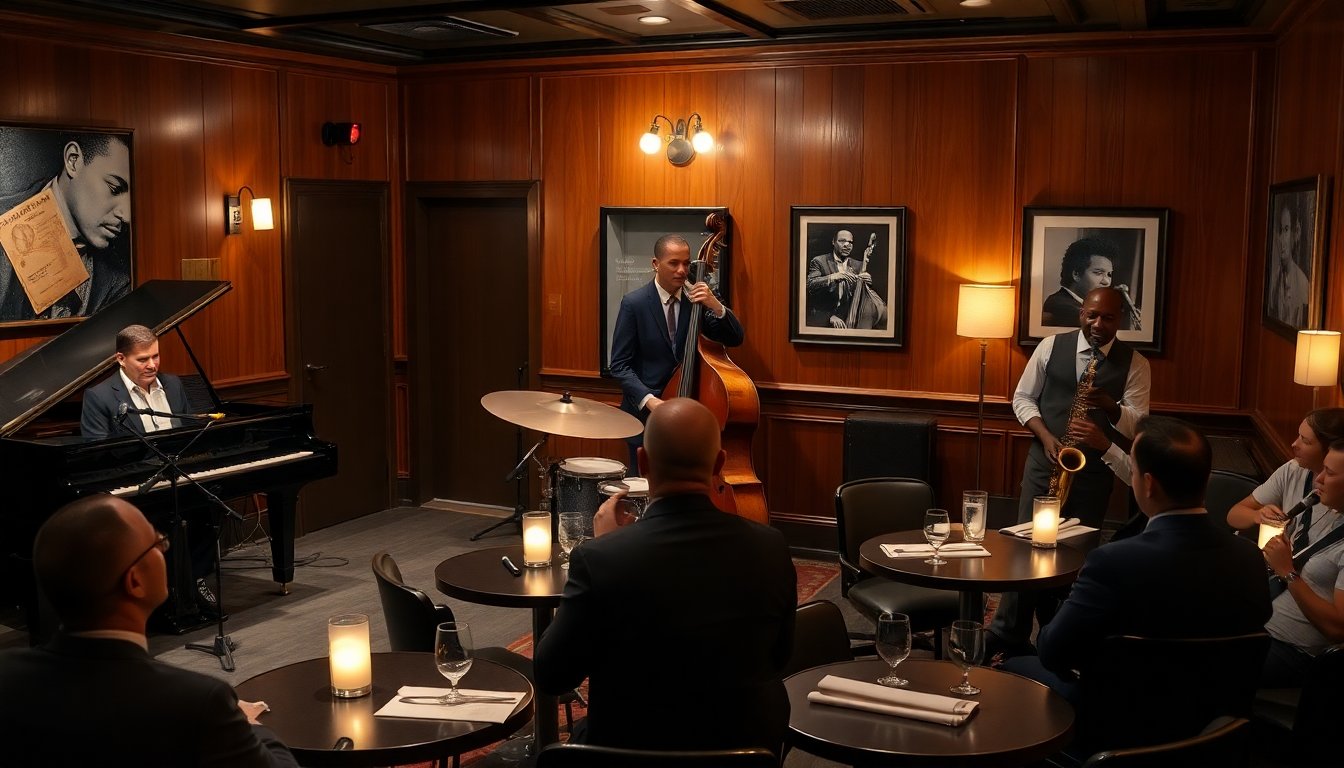
The original Minton’s jazz club had a low ceiling, close tables, and a worn piano that pushed players to adapt their touch. The room favored high-energy interplay and loud drums. The crowd sat close and reacted loudly to solos. Today’s Minton’s Playhouse at a restored Harlem location keeps the intimate layout but adds modern sound control and safety features. The current venue balances historic feel with improved acoustics and clearer sightlines. Visitors can sense the past while hearing cleaner sound.
Visiting Minton’s Today: Events, Tickets, And Practical Tips
Minton’s Playhouse lists shows and ticket options on its official site. Visitors should book early for weekend sets and spe