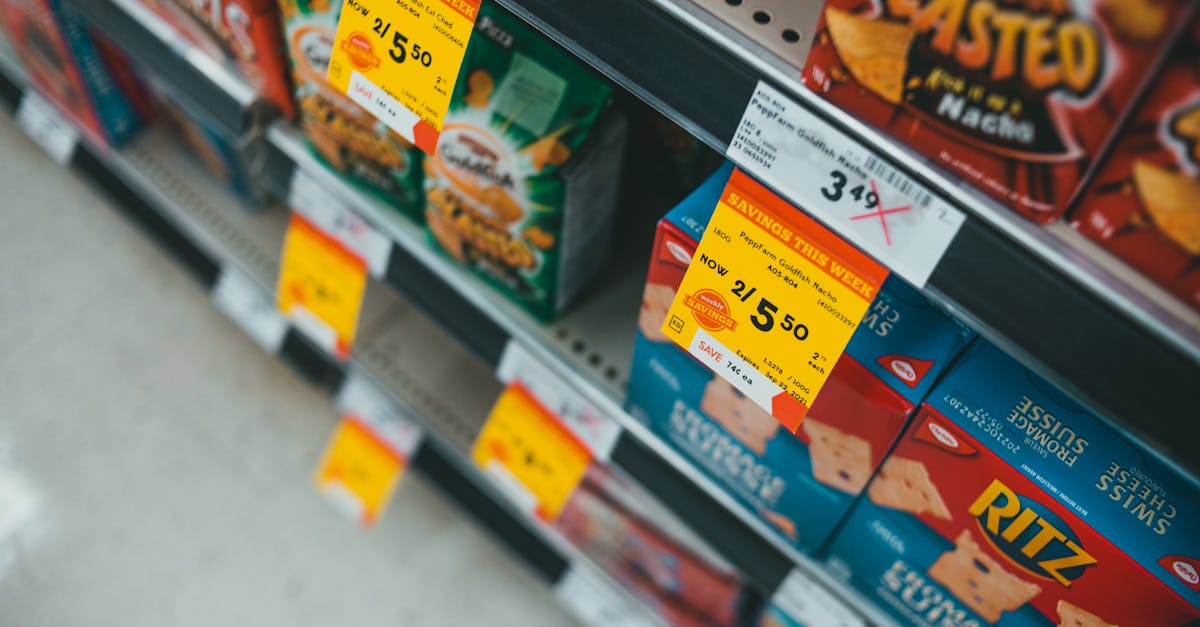

Picture this: You’re standing in the grocery aisle, staring at a $7 bag of kale and wondering if eating healthy really means emptying your wallet. If you’ve ever felt that sting, you’re not alone. The myth that healthy food always costs more keeps a lot of us stuck in a loop of cheap, empty calories. But here’s the part nobody tells you—low cost healthy foods exist, and they can taste amazing. You just need to know where to look and how to use them.
Why Low Cost Healthy Foods Matter
Let’s break it down. Food prices keep climbing, but your health doesn’t have to take the hit. Low cost healthy foods aren’t just for college students or penny-pinchers. They’re for anyone who wants to eat well, feel good, and still have money left for, well, anything else. If you’ve ever skipped the produce aisle because of sticker shock, this is for you.
The Truth About Cheap Eats
Here’s a confession: I used to think “cheap” meant “boring” or “bland.” I’d grab instant noodles and frozen pizza, then wonder why I felt sluggish. Turns out, low cost healthy foods can be the opposite of boring. Think sweet potatoes roasted until caramelized, or a pot of lentil soup that fills your kitchen with warmth. The trick is knowing which foods give you the most nutrition for your buck.
Top 10 Low Cost Healthy Foods (and How to Use Them)
- Oats: A giant tub costs less than a fancy coffee. Make overnight oats, blend into smoothies, or bake into muffins.
- Eggs: Packed with protein and vitamins. Scramble, boil, or toss into fried rice with leftover veggies.
- Beans (canned or dry): Fiber, protein, and endless options. Chili, tacos, or even brownies (yes, really).
- Brown rice: Cheaper in bulk. Use as a base for stir-fries, grain bowls, or soups.
- Frozen vegetables: No chopping, no waste. Stir into pasta, curries, or omelets.
- Bananas: Nature’s energy bar. Eat as is, slice onto toast, or freeze for smoothies.
- Carrots: Crunchy, sweet, and dirt cheap. Snack raw, roast, or shred into salads.
- Cabbage: Lasts forever in the fridge. Slaw, stir-fry, or soup—it’s all good.
- Chicken thighs: More flavor and less cost than breasts. Roast, grill, or stew.
- Greek yogurt: Protein-packed and versatile. Eat with fruit, use as a dip, or swap for sour cream.
Here’s why these work: They’re filling, nutrient-dense, and flexible. You can mix and match them all week without getting bored.
How to Shop for Low Cost Healthy Foods
Shop Smart, Not Hard
First, skip the fancy packaging. Store brands often have the same ingredients for less. Buy in bulk when you can—rice, oats, and beans last for months. Check the bottom shelves; stores put pricier items at eye level. And don’t ignore the freezer aisle. Frozen veggies are picked at peak ripeness and cost less than fresh.
Seasonal and Local Wins
Ever notice strawberries cost a fortune in winter? That’s because they’re out of season. Stick to what’s in season and local. Apples in fall, squash in winter, berries in summer. You’ll save money and get better flavor.
Meal Planning: The Secret Weapon
If you’ve ever tossed wilted spinach or moldy bread, you know food waste is money down the drain. Meal planning helps you buy only what you’ll use. Start with a few low cost healthy foods as your base, then build meals around them. For example, cook a big batch of brown rice and use it for stir-fry, burrito bowls, and soup all week.
Batch Cooking for Busy Lives
Here’s a trick: Cook once, eat three times. Make a pot of chili with beans and veggies, then eat it as soup, stuff it in a baked potato, or wrap it in a tortilla. You’ll save time and money, and you won’t get bored.
Common Mistakes (and How to Avoid Them)
- Buying too much at once: It’s tempting to stock up, but if you can’t eat it before it spoils, it’s wasted money.
- Ignoring unit prices: The biggest package isn’t always the best deal. Check the price per ounce or pound.
- Sticking to the same foods: Variety keeps meals interesting and covers more nutrients.
I’ve made all these mistakes. Once, I bought a 10-pound bag of potatoes and watched half of it sprout in the pantry. Lesson learned: buy what you’ll actually use.
Who Should (and Shouldn’t) Eat This Way?
If you want to eat better without spending a fortune, low cost healthy foods are for you. They’re perfect for families, students, or anyone on a budget. But if you have specific dietary needs—like allergies or medical conditions—check with a doctor or dietitian before making big changes.
Next Steps: Start Small, Win Big
Here’s the truth: You don’t need to overhaul your whole diet overnight. Swap one meal a week for a low cost healthy foods option. Try oatmeal for breakfast, or a bean-based chili for dinner. Notice how you feel—more energy, less stress about money, maybe even a little pride in your resourcefulness.
Eating well on a budget isn’t about sacrifice. It’s about smart choices, a little creativity, and knowing you’re taking care of yourself without breaking the bank. The next time you’re in the grocery aisle, remember: low cost healthy foods aren’t just possible—they’re delicious, satisfying, and totally within reach.