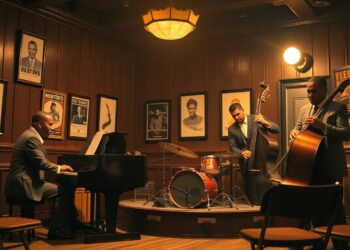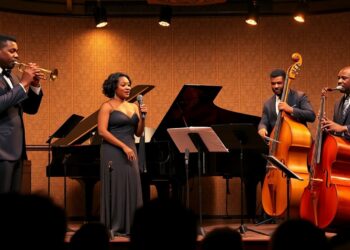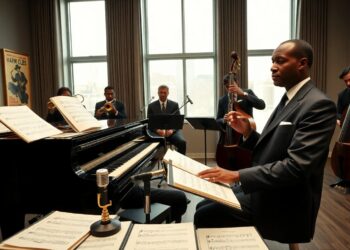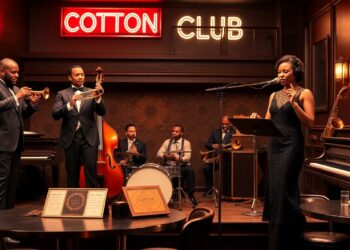
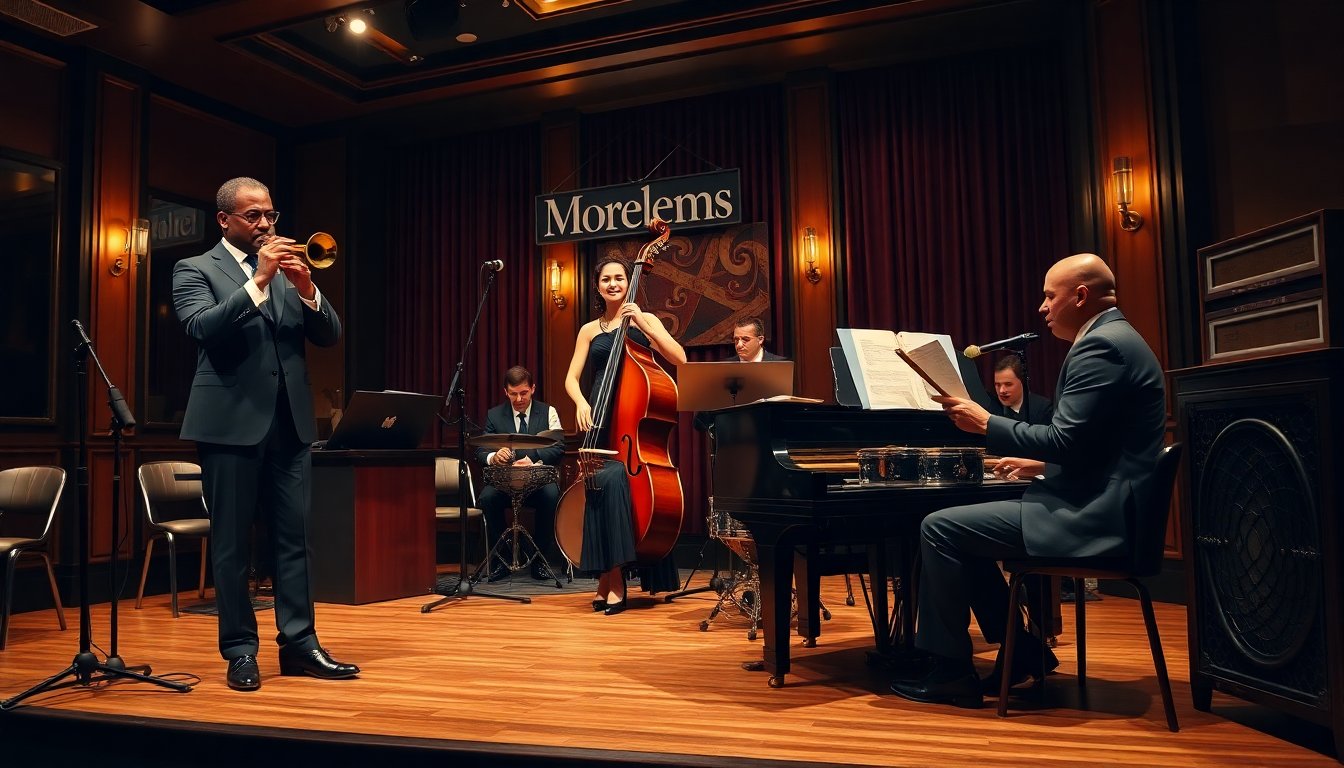
Jazz in Harlem Renaissance rose as a public voice for Black artists. The music mixed blues, ragtime, and African rhythms. It drew local musicians and traveling players. It gave communities a shared rhythm and a new cultural identity. It fed writers, painters, and dancers. It helped Harlem reach national attention in the 1920s and early 1930s.
Key Takeaways
- Jazz in Harlem Renaissance became a powerful cultural voice for Black artists, blending blues, ragtime, and African rhythms to create a new shared identity.
- The migration of musicians to Harlem and venues like the Cotton Club and Savoy Ballroom helped jazz gain national attention in the 1920s and early 1930s.
- Musical innovations in harmony, rhythm, and form, such as call-and-response and swing, shaped jazz in Harlem Renaissance into influential styles with lasting impact.
- Improvisation and swinging rhythms made jazz in Harlem Renaissance a dynamic art form that connected deeply with audiences through dance and emotion.
- Iconic artists like Louis Armstrong, Duke Ellington, and Bessie Smith pioneered new techniques and elevated jazz during the Harlem Renaissance, setting enduring standards.
- Clubs, dance halls, and social events in Harlem provided essential platforms for musicians to innovate, perform, and propel jazz into mainstream culture.
Why Jazz Became The Soundtrack Of A Cultural Awakening
Jazz in Harlem Renaissance grew from social change and migration. Musicians moved from the South to Harlem and brought songs and practices. Clubs and rent parties created steady work for players. Critics and patrons began to notice the music and the artists. Writers and painters absorbed the sound and used it in their art. The music gave a clear sonic language for pride and protest. Record labels and radio amplified jazz in Harlem Renaissance and pushed the sound into mainstream markets.
Key Musical Innovations And Styles Emerging In Harlem
Musicians in Harlem changed harmony, rhythm, and form. They used call-and-response and blue notes to shape new melodies. They emphasized swing feel and syncopation in ensemble playing. Arrangers introduced sectional writing and instrumental color. Bands experimented with tempo and texture to create danceable tracks. Composers blended popular song forms with African-derived rhythms. This set of changes helped jazz in Harlem Renaissance evolve from local sounds into styles with national impact.
From Ragtime To Swing: Rhythms And Improvisation
Players took ragtime patterns and loosened the beat. They added a swinging eighth-note pulse and flexible phrasing. Soloists learned to invent melodies over chord changes. Bands supported solos with walking bass and steady drums. Improvisation became a key way to show skill and emotion. Audiences rewarded risk and creativity with applause and dance. This environment pushed jazz in Harlem Renaissance toward extended solos and interactive group playing.
Iconic Venues And Nightlife That Shaped The Scene
Venues in Harlem created regular spaces for jazz in Harlem Renaissance to grow. Nightclubs offered steady gigs and introduced new songs. Dance halls and theaters hosted large bands and touring shows. Musicians used rehearsal time at clubs to test new arrangements. Local newspapers and entertainers promoted club nights and special acts. Neighborhood parties and social clubs gave young players the chance to perform. These venues built a local economy and a public profile for the music.
Harlem’s Clubs: The Cotton Club, Savoy, And Beyond
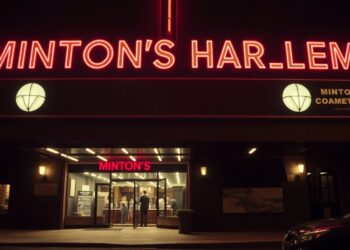
The Cotton Club helped popularize jazz in Harlem Renaissance through radio broadcasts and elite customers. The Cotton Club booked top bands but often enforced segregation. The Savoy Ballroom welcomed integrated dancers and encouraged competitive sets. Smaller clubs and rent parties let Black audiences set the program and the price. Touring bands used these venues to test new pieces. DJs, talent agents, and record scouts watched the clubs for new talent. The club circuit so moved local sounds into national attention.
Pioneering Artists And Their Lasting Contributions
Artists in Harlem pushed jazz in Harlem Renaissance into new directions. Band leaders arranged for larger ensembles and tighter ensemble work. Vocalists added blues feeling and stagecraft to popular songs. Instrumentalists expanded technical range and expressive vocabulary. Educators and bandleaders trained younger players and kept standards high. Recordings and tours spread innovations beyond Harlem. Critics and historians later traced key developments in form and style back to these artists and their bands.
Louis Armstrong, Duke Ellington, Bessie Smith And Others
Louis Armstrong brought virtuosic solos and a clear rhythmic drive that reshaped jazz in Harlem Renaissance. Duke Ellington expanded orchestration and composed extended works for his band. Bessie Smith gave blues a commanding stage presence and connected blues to jazz audiences. Fletcher Henderson and Coleman Hawkins influenced big-band arranging and tenor sax style. Ma Rainey and Jelly Roll Morton left recorded examples that younger players studied. These artists set technical, stylistic, and cultural standards that later players followed.