Jimmy Jazz in Harlem opened a new chapter for local fashion in 2026. The shop brought high-profile sneaker drops and steady community programs. It offered access to limited shoes and local jobs. Residents saw new styles and steady events. The arrival changed foot traffic and local retail habits. The store balanced national brand power and neighborhood needs.
Key Takeaways
- Jimmy Jazz in Harlem launched in 2026, blending exclusive sneaker releases with strong community engagement and local job opportunities.
- The store enhances Harlem’s fashion and music scene by hosting events, supporting local designers, and showcasing neighborhood art and culture.
- Visitors can expect a curated mix of popular sneaker brands and local designs in a well-organized, vibrant environment with expert staff and extended release hours.
- Joining the loyalty program and visiting on weekday mornings offers the best shopping experience with early access and attentive service.
- Respecting local etiquette, supporting consignment racks, and using public transit ensure a positive experience for both shoppers and the Harlem community.
- Jimmy Jazz balances national sneaker culture while nurturing Harlem’s unique street style, making it a hub for collectors and neighborhood shoppers alike.
The Origins Of Jimmy Jazz And Its Arrival In Harlem
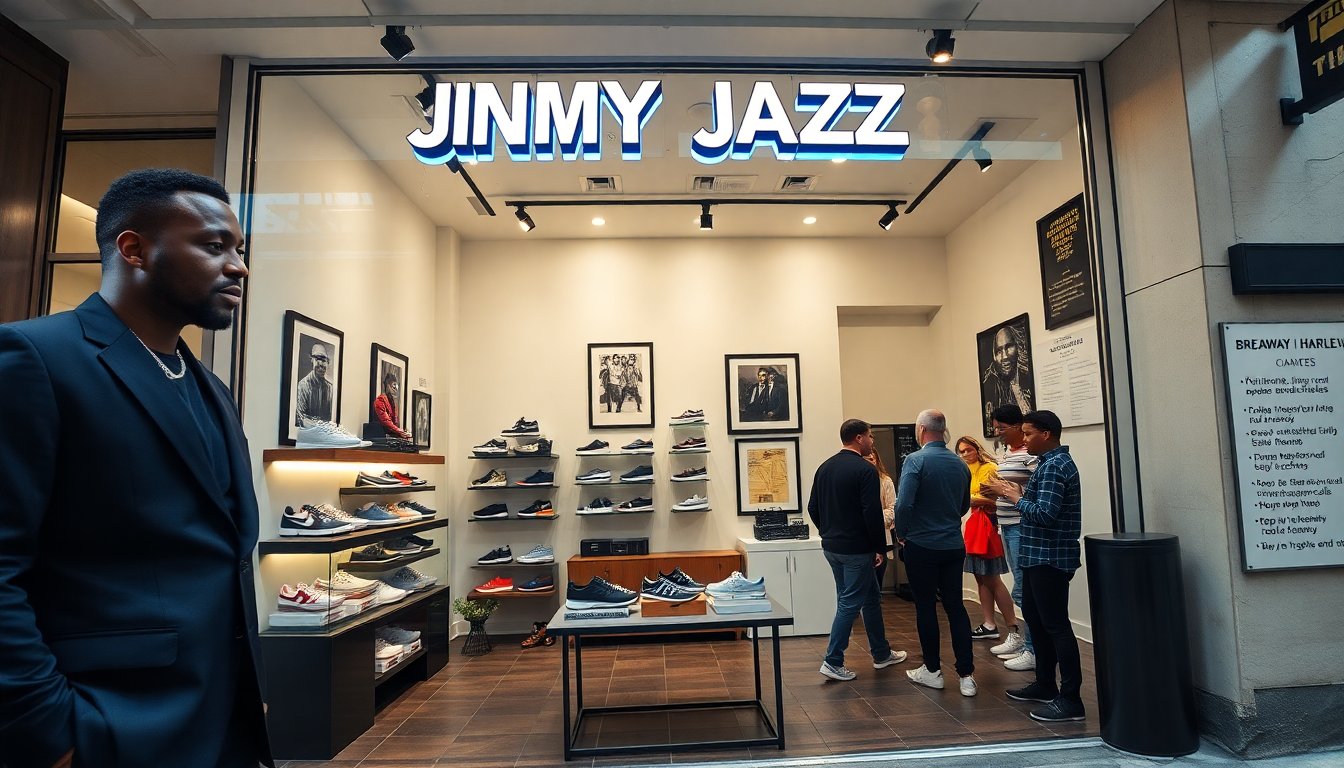
Jimmy Jazz in Harlem traces its roots to a chain that started in the 1980s. The chain grew by selling sneakers and streetwear in urban neighborhoods. The company opened the Harlem location in 2026. The team chose the site after months of local research. They leased a ground-floor space near Broadway and one busy subway stop. The store managers hired many local residents. They stocked classic sneaker lines and new drops. The opening day featured a DJ set and a small giveaway. The event drew long lines and local press. Neighbors and sneaker collectors attended the launch. The store leaders met neighborhood groups before opening. They signed an agreement to support a community youth program. They also agreed to host pop-ups for local designers. The Harlem shop kept the chain’s core focus on sneakers. The shop also added local art and photographs on the walls. Those displays celebrated Harlem musicians and street photographers. The store kept extended hours for weekend release events. It also offered a loyalty program that rewarded community purchases. The arrival of Jimmy Jazz in Harlem shifted how some people shopped locally. It placed limited sneaker releases in a neighborhood retail setting. It made rare shoes more visible to Harlem shoppers. Local creators found a nearby retail partner. The store arranged monthly meetings with local vendors. Those meetings helped the shop adapt its stock and events.
Cultural Impact On Harlem’s Fashion, Music, And Street Style
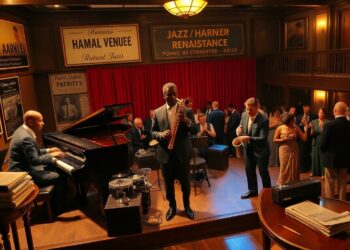
Jimmy Jazz in Harlem influenced local style within months. The store displayed new silhouettes next to classic Harlem looks. Musicians and dancers started to wear select releases at shows. Influencers and local photographers posted photos from outside the storefront. Those images circulated on social feeds and in local blogs. Local designers requested collaboration slots. The store hosted small live shows and listening sessions. DJs played new tracks during release nights. Those events drew a mix of long-time residents and visitors. The shop gave set times for in-store performances and kept free entry for neighborhood attendees. The store funded a short music workshop for teens. The workshop taught basic mixing and DJ setup. It hired local artists as instructors. The program helped some teens perform at in-store events. The store also supported a neighborhood style showcase. The showcase highlighted independent designers and tailors. The shop sold pieces from those makers on consignment. Those sales gave designers visibility and income. Local radio hosts covered select events. The combined effect made Harlem feel more connected to sneaker culture. The shop did not replace local boutiques. It raised interest in local craftsmanship and vintage shops. The net result was a richer street style scene. The community saw more cross-pollination between designers, musicians, and shop staff.
What To Expect At The Harlem Location: Brands, Layout, And Vibe
Visitors to Jimmy Jazz in Harlem find a clear layout and a curated brand mix. The store places popular sneaker brands at the front. The back space holds limited drops and exclusive releases. A central table displays new collaborations and seasonal items. Staff place local designs on racks near the windows. The lighting highlights shoe details and small collections. The shop uses vinyl and framed prints to reference Harlem history. The sound system plays hip-hop, jazz, and local radio mixes. The staff greet shoppers at the door and offer sizing help. The store offers a fitting area with benches and mirrors. They keep a small repair corner for basic shoe care. The register area handles both in-store and online pickup orders. The shop accepts major cards and contactless payments. It also holds daily restocks for popular models. The store posts restock schedules on social channels. It notifies loyalty members of early access windows. The staff run authentication checks for trade-ins and resale items. The shop hosts brand reps for quarterly product talks. Those talks explain shoe tech and fit. The store also runs a small creative board. The board lists upcoming events, youth programs, and designer calls. The neighborhood can use that board to propose pop-ups. The shop balances mainstream brands with local makers. That balance helps the shop stay relevant to both collectors and neighborhood shoppers.
Tips For Visiting Jimmy Jazz In Harlem: Best Times, How To Shop, And Local Etiquette
Arrive on weekday mornings to avoid long release lines. Weekday mornings give shoppers clearer sizes and calmer staff attention. Check the shop’s social posts for release dates and time windows. Join the loyalty program to get early access and restock alerts. Bring a valid ID for limited releases and point-of-sale holds. Try shoes on with the socks you plan to wear. The staff measure feet and suggest half sizes when needed. Ask staff about care tips for leather and knit uppers. They provide quick cleaning and storage advice. Respect queue signs and staff instructions during drops. Follow local photographers’ tape marks for event photography. Buy from local designers at consignment racks to support neighborhood makers. If a line forms, share space and wait patiently. Tip a shoe cleaner or local performer if they offer a small service during events. Use public transit when possible. The shop sits close to multiple subway stops and bus lines. Walk with care on busy sidewalks and avoid blocking building entries. Treat staff and neighbors with politeness. The store values neighborhood feedback and guest civility. Those habits keep the space accessible and friendly for regular customers and visitors.