
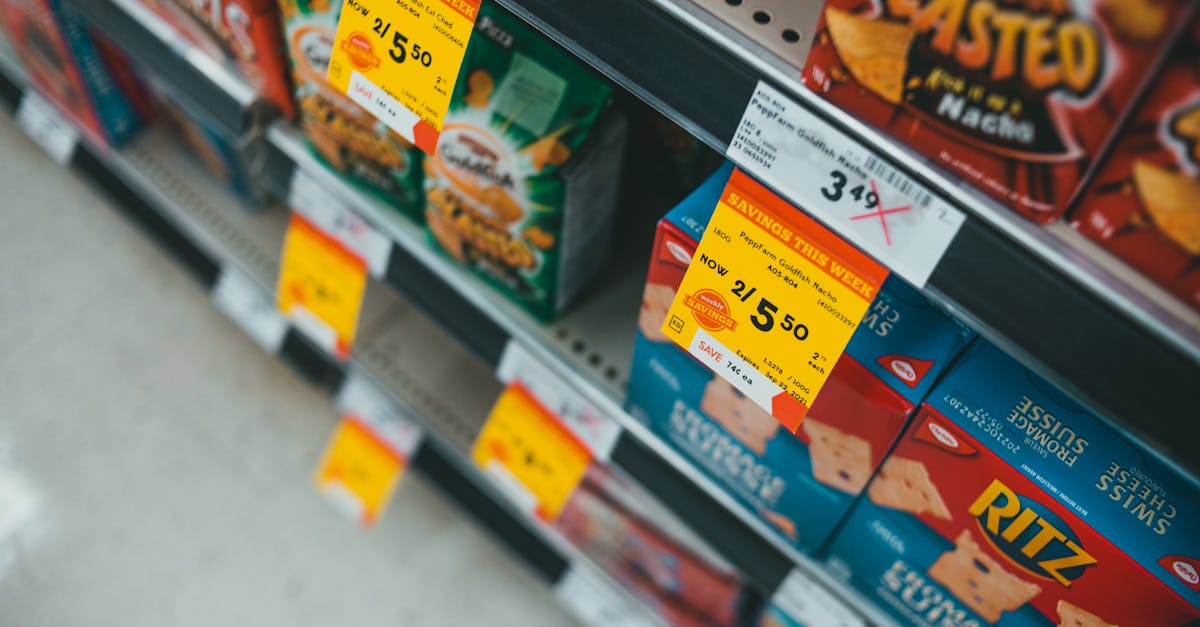
Picture this: You’re standing in the checkout line, watching the numbers on the register climb higher than you expected. Your heart sinks. You wonder, “How did I spend so much on food again?” If you’ve ever felt that sting, you’re not alone. Food shopping on a budget isn’t just about clipping coupons or skipping treats—it’s about making smart, satisfying choices that actually stick. Let’s break it down.
Why Food Shopping On A Budget Feels So Hard
Grocery stores are designed to tempt you. The smell of fresh bread, the bright displays, the “buy one, get one” deals—it’s all meant to make you spend more. If you’ve ever walked in for milk and left with a cart full of snacks, you know the struggle. But here’s the part nobody tells you: You don’t have to give up flavor, fun, or even your favorite foods to save money. You just need a plan.
Who Needs These Strategies?
If you’re tired of watching your grocery bill eat up your paycheck, these tips are for you. Maybe you’re a student, a parent, or just someone who wants to save for something bigger. If you love food but hate waste, you’re in the right place. If you’re looking for shortcuts or magic fixes, this isn’t it. These strategies take a little effort, but the payoff is real.
Strategy 1: Plan Like a Pro (But Keep It Simple)
Let’s be honest—meal planning sounds boring. But it’s the single most powerful tool for food shopping on a budget. Here’s why: When you know what you’re eating, you only buy what you need. No more wilted spinach or mystery cans in the back of the pantry.
- Start with 3-4 core meals you love and rotate them.
- Check your fridge and pantry before you shop. Use what you have first.
- Write a short list and stick to it. If it’s not on the list, it doesn’t go in the cart.
One reader told me she saves $50 a month just by planning her dinners. That’s $600 a year—enough for a weekend getaway or a new gadget.
Strategy 2: Shop the Edges, Not the Aisles
Here’s a secret: The healthiest and cheapest foods usually live around the edges of the store. Think produce, dairy, eggs, and bread. The middle aisles are packed with processed foods and snacks that add up fast.
- Fill your cart with whole foods first—fruits, veggies, grains, and proteins.
- Buy in bulk when it makes sense, but only for foods you actually eat.
- Skip the fancy packaging. Store brands often taste the same for less money.
Next time you shop, try this: Walk the perimeter first. You’ll be surprised how much less you spend—and how much better you eat.
Strategy 3: Embrace the Power of the Freezer
Raise your hand if you’ve ever thrown out slimy lettuce or forgotten leftovers. Food waste is money wasted. The freezer is your best friend for food shopping on a budget.
- Buy frozen fruits and veggies—they’re just as nutritious and last way longer.
- Cook double batches and freeze half for busy nights.
- Freeze bread, cheese, and even milk before they spoil.
I once found a forgotten bag of chicken in my freezer and turned it into three meals. That’s the magic of freezing: It stretches your budget and saves you from last-minute takeout.
Strategy 4: Get Creative With Proteins
Meat and fish can eat up your budget fast. But you don’t have to go vegetarian to save money. Here’s how to keep protein on your plate without breaking the bank:
- Try “meatless Mondays” or swap half the meat in recipes for beans or lentils.
- Buy cheaper cuts—chicken thighs, ground turkey, or pork shoulder—and cook them low and slow for flavor.
- Eggs, canned tuna, and tofu are budget-friendly protein heroes.
One family I know cut their grocery bill by 20% just by swapping out two meat meals a week. The best part? They discovered new favorite recipes along the way.
Strategy 5: Master the Art of the Smart Swap
Food shopping on a budget doesn’t mean giving up everything you love. It means making swaps that add up over time. Here’s what works:
- Swap pricey snacks for popcorn, homemade trail mix, or fruit.
- Make your own coffee or iced tea instead of buying drinks on the go.
- Use leftovers in creative ways—think stir-fries, soups, or wraps.
Here’s the truth: The small changes matter. If you swap just one $5 lunch out for a homemade meal each week, you’ll save $260 a year. That’s real money.
Next Steps: Make Food Shopping On A Budget Work For You
If you’ve ever felt overwhelmed by food shopping on a budget, remember this: You don’t have to do everything at once. Pick one strategy and try it this week. Notice what works, what feels easy, and what you actually enjoy. The goal isn’t perfection—it’s progress.
Food shopping on a budget is about more than saving money. It’s about feeling in control, eating well, and making choices that fit your life. You’ll make mistakes (we all do), but every smart choice adds up. Ready to see what you can save?